

Why Gaming PC Prices Are Spiking in 2026
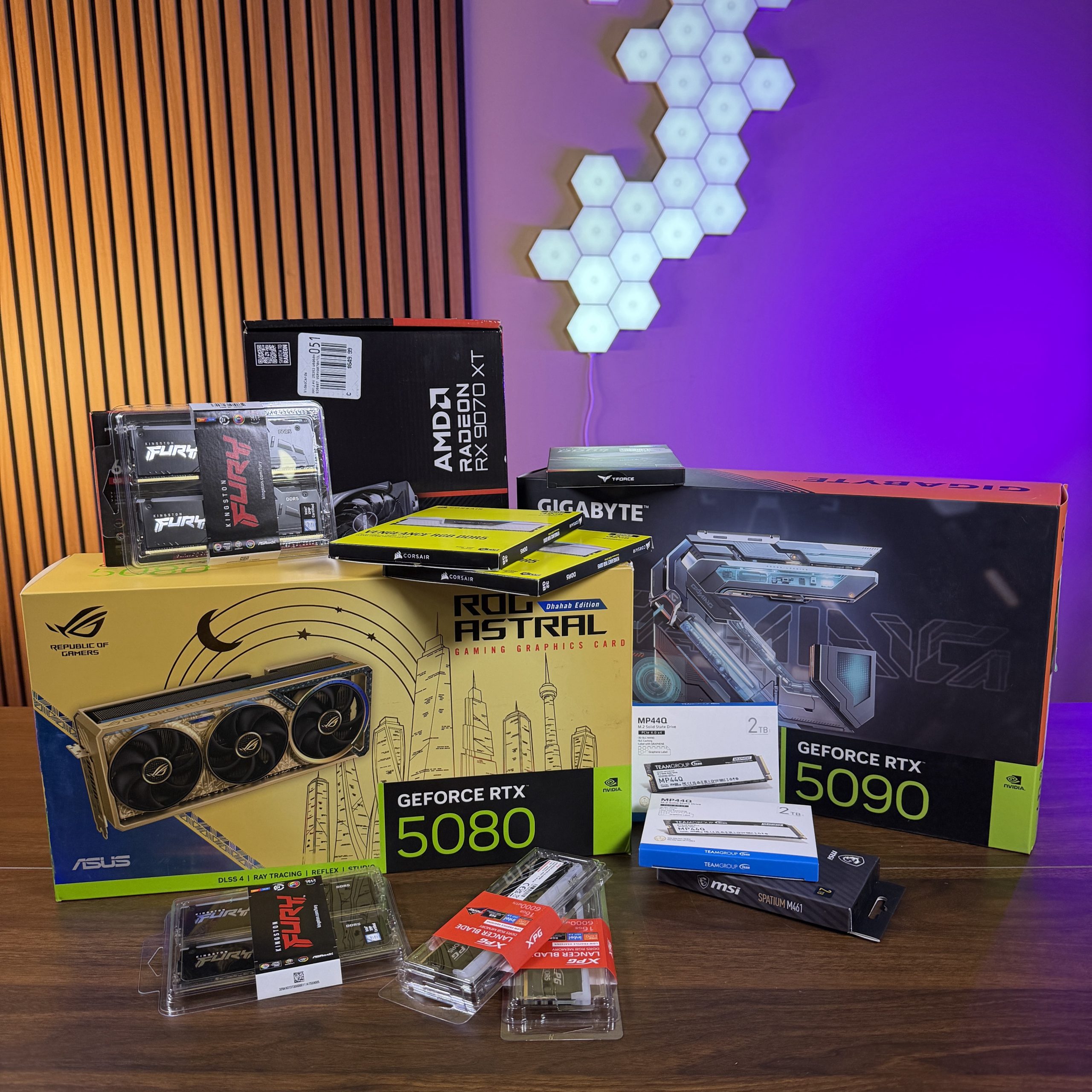
If you are shopping for a gaming PC right now, you are facing three simultaneous cost shocks, not one. GPU prices are rising from repeated manufacturer hikes. DDR5 RAM has already seen historic price swings. And NAND flash storage is tightening fast. This is not a temporary blip driven by a single supply disruption. It is a structural shift, and understanding why gaming PC prices are so high in 2026 requires looking at what is pulling these components away from the consumer market entirely: AI infrastructure.
On the GPU side, Nvidia has raised kit prices to its board partners three separate times this year. A 10 to 15 percent increase came in January, a narrower hike targeted the RTX 5090 in May, and a third adjustment of approximately 20 to 30 percent followed in August. Each round flows downstream into the systems we configure and the prices our customers pay. There is no absorbing a 20 to 30 percent input cost increase at the builder level.
DDR5 Price Spike in One Quarter
A 64GB DDR5 kit that cost just over $200 in October 2025 climbed to $800 to $900 by year-end, a fourfold increase in roughly 90 days.
Projected DRAM + SSD Cost Surge
Gartner projects a combined 130% surge in DRAM and SSD prices by the end of 2026, hitting every line item in a gaming build simultaneously.
Average PC Price Increase Forecast
Gartner’s modeling puts average PC prices up 17% and global shipments down 10.4%, the steepest contraction in over a decade.
Top ArsenalPC Configured Systems
Updated monthly
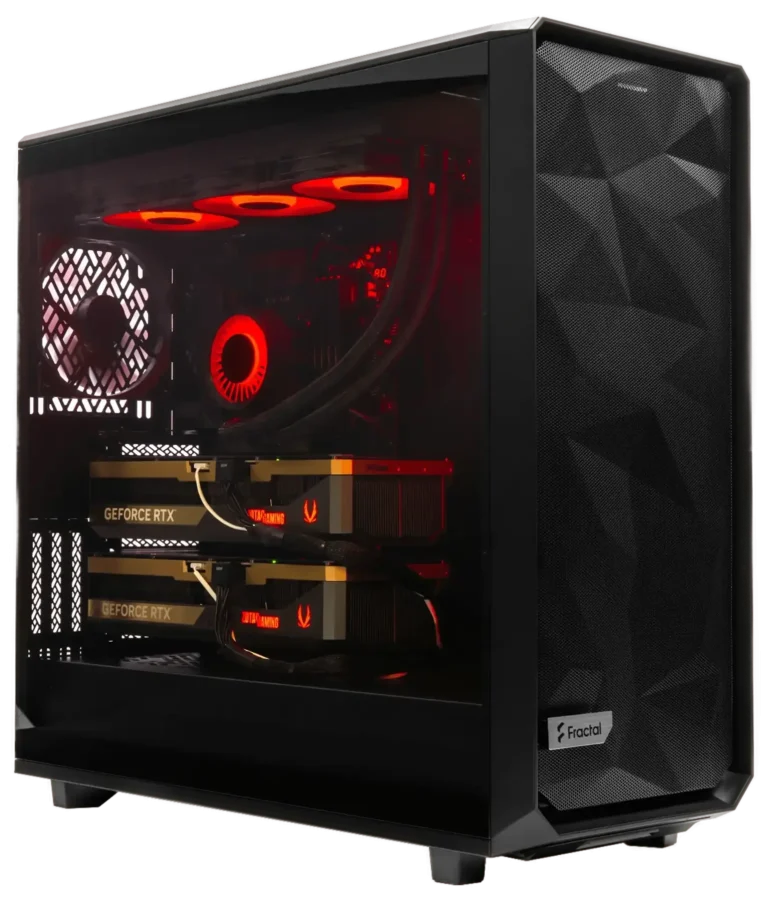
Best High-End Build
Meshify 2XL Dual Graphics Card Liquid Cooled Custom AI Workstation
The good
- Dual GPU configuration maximizes compute throughput for AI and heavy workloads
- Liquid cooling keeps thermals in check under sustained load
- Meshify 2XL chassis offers exceptional airflow and cable management
- Configured and burn-in tested by ArsenalPC before shipping
The trade-offs
- Dual GPU setups require more desk or rack space
- Higher upfront investment than single-GPU builds
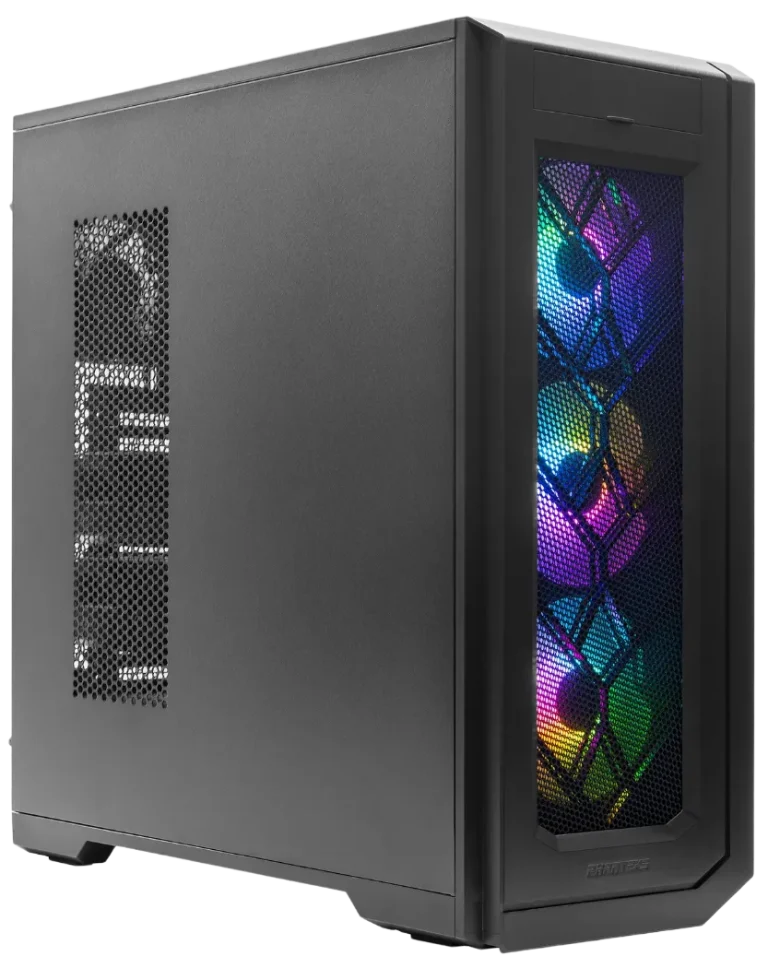
The good
- Server-edition chassis supports E-ATX and full-size server boards
- Excellent expansion capacity for future GPU or storage upgrades
- Phanteks Enthoo Pro 2 is one of the most spacious and well-built cases available
- ArsenalPC supply agreements lock in component pricing before further hikes
The trade-offs
- Large form factor is not ideal for space-constrained setups
- Server-grade configuration may exceed needs for pure gaming use
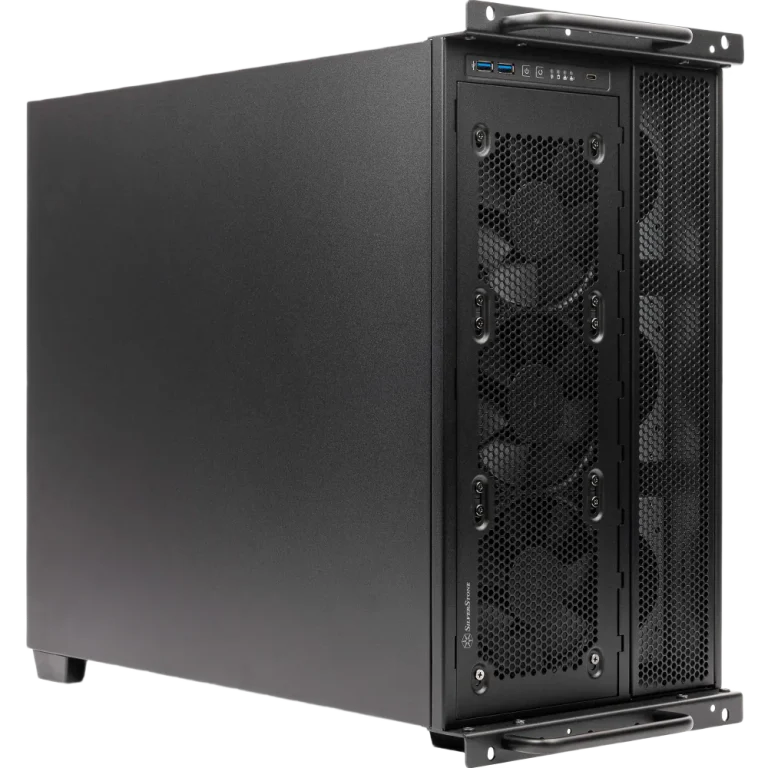
The good
- 6U rack-mount form factor integrates cleanly into professional environments
- SilverStone RM600 chassis is purpose-built for dense, high-performance deployments
- Ideal for buyers who need workstation power in a rack-managed setup
- Fully configured and validated by ArsenalPC before delivery
The trade-offs
- Requires rack infrastructure, not a desktop drop-in
- Rack-mount cooling can be louder than tower equivalents in open environments
Memory and Storage Are Moving the Same Direction
RAM tells a sharper story. A 64GB DDR5 kit that cost just over $200 in October 2025 had climbed to $800 to $900 by the end of that same year, roughly a fourfold increase in a single quarter. That kind of move does not reverse quickly. Micron retired its consumer-facing Crucial brand in February 2026 to focus on enterprise AI customers, and Framework raised DDR5 upgrade prices by 50 percent with warnings of further increases ahead.
Gartner projects a combined 130 percent surge in DRAM and SSD prices by the end of 2026. Their modeling puts average PC prices up 17 percent and global shipments down 10.4 percent, the steepest contraction in over a decade. From what we see in our own build orders, that trajectory is consistent with what we are already quoting. The question is not whether prices are rising. It is how much further they go before stabilizing.
The GPU Situation: Three Price Hikes and Counting
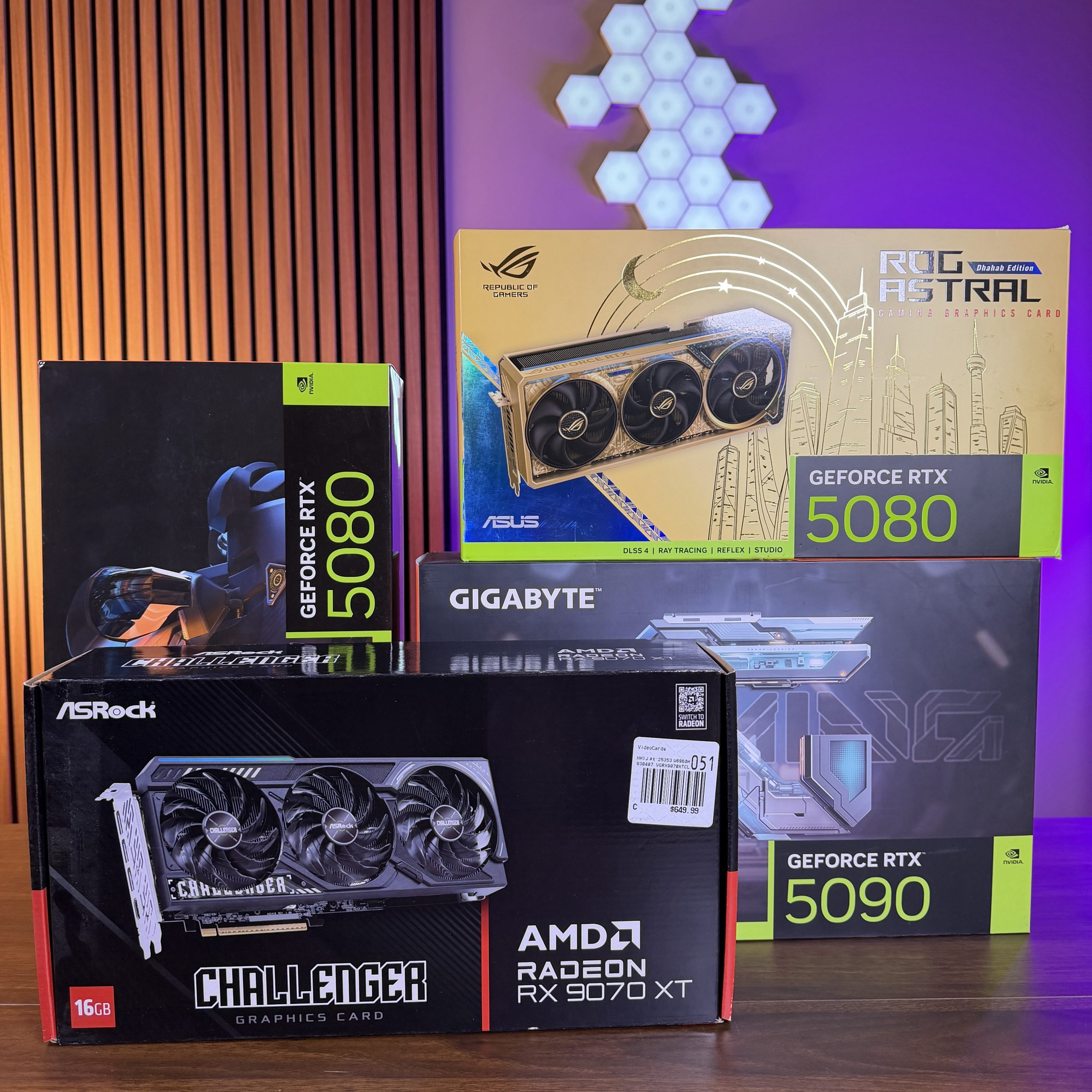
Nvidia has raised kit prices supplied to board partners three separate times in 2026. The January increase ran 10 to 15 percent. A narrower May adjustment targeted the RTX 5090 and 5090D V2 specifically, with board partners notified of an estimated $300 increase on those SKUs alone. The third round, arriving in August, was the broadest: a 20 to 30 percent increase across the RTX 50 series. The stated reason each time is the same: GDDR7 memory costs.
GDDR7 is the actual structural driver here. It is not a supply blip. AI accelerator production is consuming GDDR7 at a pace that consumer GPU allocations cannot compete with, and that imbalance is not resolving quickly. From what we see in our build orders, the gap between Nvidia’s official MSRP and what we actually pay to configure a system has widened materially with each passing quarter.
Where Each Tier Stands
Nvidia’s official starting prices remain $1,999 for the RTX 5090 and $999 for the RTX 5080. Retail reality is a different story. Between April and July 2026, the RTX 5090 rose 12 percent on average across tracked markets, with some regions seeing increases closer to 20 percent. The broader GPU market moved about 2 percent over the same window, which means the flagship tier is absorbing the GDDR7 cost pressure first and hardest.
AMD‘s RX 9000 series is the relative value play in this environment. The RX 9070 and RX 9070 XT deliver competitive rasterization performance at a lower tier price point, and that gap has widened as RTX 50 series pricing climbed. That said, AMD issued a formal notice on July 31 of at least a 10 percent kit price increase on the RX 9000 series starting in August 2026. Both cards are already selling above MSRP. The value advantage is real, but it is narrowing.
The pattern across all three Nvidia hikes points in one direction. Waiting for prices to normalize assumes the GDDR7 supply constraint resolves, and nothing in our current build data or in broader industry forecasts supports that assumption for the remainder of 2026.
RTX 5090: MSRP Is a Fiction
Listed at $1,999 but never widely available there. AIB models now average around $4,700 in the US and some listings top $6,000, more than double the launch price by September 2026. A May board-partner notice added an estimated $300 more on top.
Founders Edition: Plan Around Zero Stock
Nvidia’s Founders Edition occasionally surfaces near MSRP, but stock evaporates within minutes. AIB cards from ASUS, MSI, and Gigabyte are what actually ship, with significant premiums. Triple-fan OC variants routinely land above $3,000.
Mid-Range Is Not Safe Either
The RTX 5070 Ti has drifted into price territory the RTX 5080 occupied months ago. Cards with 16GB or more of VRAM have absorbed 15 to 20 percent increases, and mid-range GPU price hikes in 2026 are accelerating, not stabilizing.
The RTX 5090 is the primary card for 4K gaming at maximum settings. There is no credible alternative if a customer wants to run demanding titles at 4K with ray tracing fully enabled and frame rates above 60. That makes its pricing especially consequential: buyers who need this tier of performance have no lower-cost substitute. At current retail pricing, the card occupies workstation and AI accelerator territory, and the buyers competing for that stock include professionals, not just gamers.
The AMD Picture
The RX 9070 XT remains the most credible value alternative to the RTX 5070 Ti at this tier. It delivers competitive rasterization performance and sits at a lower price point than any comparable Nvidia option. The problem is that “lower” is relative. The card is already selling above MSRP at most retailers, and AMD issued a formal notice on July 31, 2026, indicating at least a 10% kit price increase on the RX 9000 series starting in August. That notice came through secondary aggregator reporting; we have not located a primary AMD channel document to confirm the exact figure.
For buyers comparing the RX 9070 XT against the RTX 5070 Ti on value per dollar, the gap is narrowing faster than the spec sheets suggest. Gartner’s forecast of a 130% combined DRAM and SSD price surge by end of 2026 compounds the problem: the GPU is only one line item in a build that is getting more expensive across every component simultaneously.
The RAM Crisis: DDR5 Prices Up 300 to 400% Since Mid-2025
The GPU situation would be painful enough on its own. The RAM market makes it worse. A 32GB DDR5 kit (2x16GB) that sold for $80 to $120 at mid-2025 lows was retailing at $300 to $500 by March 2026. DDR4 followed the same curve: 32GB kits moved from $55 to $70 up to $250 to $350 in the same window, a 400 to 500 percent increase. In our shop, we have not seen a RAM spike this steep or this fast in 27 years of building systems.
The clearest data point is what happened to 64GB DDR5 kits in a single quarter. A 2x32GB kit that cost just over $200 in October 2025 was priced at $800 to $900 by the end of that same year, roughly a 4x increase in about 90 days. Winbond had forecast a near-4x DRAM price jump by June 2026 as early as the start of the year, with capacity booked solid through 2027. That forecast proved directionally accurate. The speed of the move caught most builders off guard.
Why Supply Collapsed So Quickly
The root cause is a production pivot at the fab level. When Samsung began HBM4 mass production in early 2026, it pulled wafer starts away from commodity DDR5 lines. SK Hynix and Micron made similar shifts. AI infrastructure customers pay far more per wafer than consumer PC buyers, so the economics are straightforward for the fabs. Consumer supply tightened at the exact moment PC and server makers were trying to secure stock, which compressed inventory across the entire channel simultaneously.
Micron’s decision to retire the Crucial consumer brand in February 2026 is the clearest market signal we have seen. Crucial was Micron’s primary consumer-facing label for decades. Exiting it entirely signals that enterprise AI demand is absorbing capacity at margins that make consumer DRAM a lower priority, not a temporary one. Framework raised DDR5 upgrade prices by 50% on its DIY laptops shortly after and warned of further increases.
How Long This Lasts
The DDR5 RAM price forecast for 2026 and 2027 is not encouraging. Multiple industry sources place the shortage lasting until at least Q4 2027, with prices unlikely to return to anything resembling 2025 lows before late 2027 or even 2028. Gartner has forecast a combined 130% cost surge across DRAM and NAND for the period. That figure covers both RAM and SSDs, which is why every line item on a gaming PC build is moving at once rather than one component absorbing the pressure while others stay flat.
For anyone configuring a system now, the practical implication is straightforward: 32GB is the minimum for a modern gaming build, and the cost of that baseline has roughly quadrupled. Waiting for prices to normalize is not a viable strategy if you need a machine in the next 12 to 18 months.
SSD Prices: The Quiet Doubling Nobody Talked About
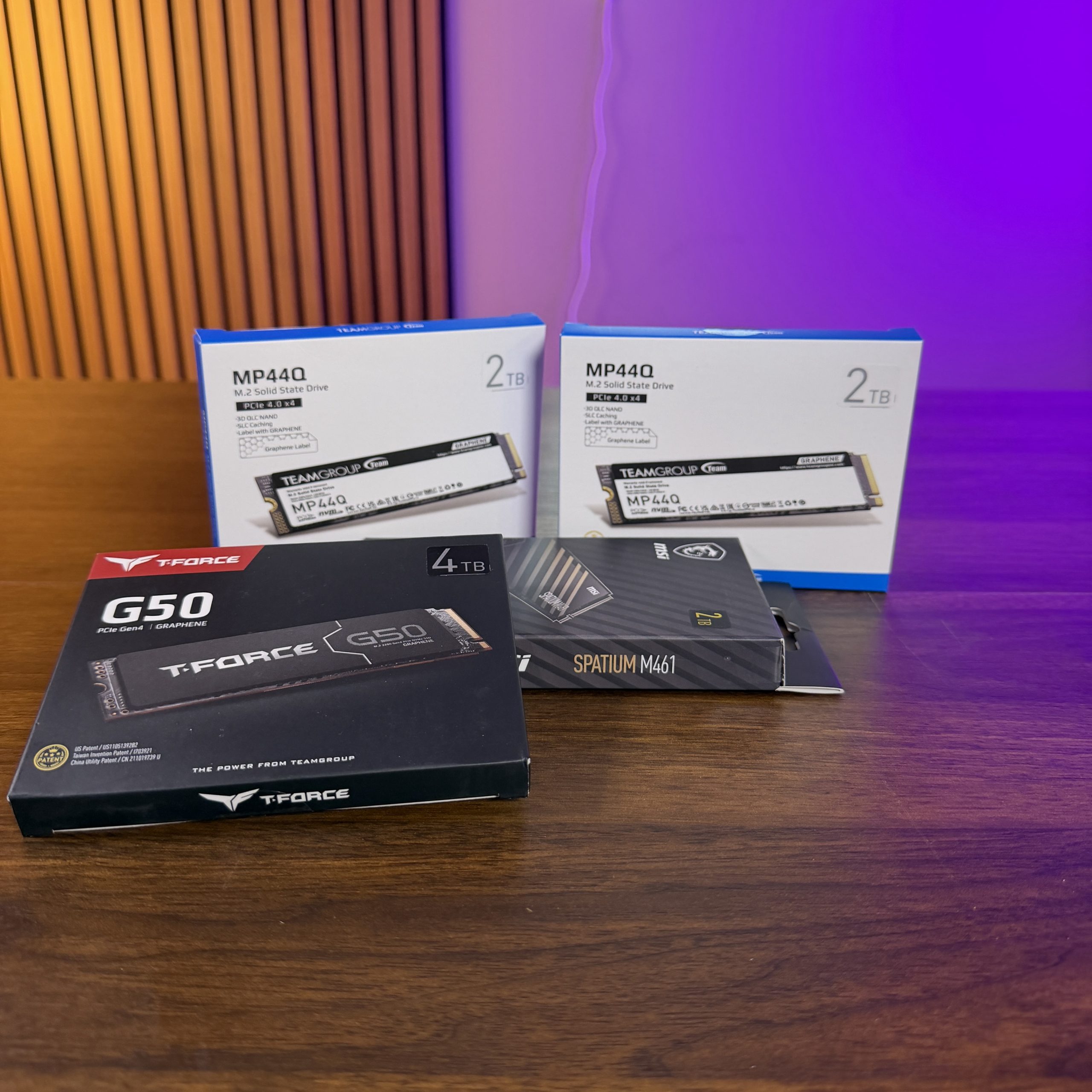
While GPU and RAM headlines dominated the conversation, NAND flash quietly staged one of the steepest price runs of any component category. Average NVMe SSD pricing is up approximately 115% compared with recent baselines, and SATA SSDs are up roughly 75%, per secondary reporting on the NAND flash crisis. Those figures are pending primary source confirmation, but they are consistent with what we see in our own build orders: a 2TB NVMe drive that we were sourcing for $120 to $150 in 2025 now prices out above $379 for comparable specs.
NVMe SSD Price Increase
Average NVMe SSD pricing is up approximately 115% vs recent baselines. A 2TB drive that cost $120 to $150 in 2025 now prices above $379 for comparable specs.
NAND Contract Price Jump in Q1 2026
NAND flash contract prices accelerated sharply to 85 to 90% in Q1 2026, well above the 55 to 60% increase that had been projected at the start of that quarter.
SATA SSD Price Increase
SATA SSDs are up roughly 75% from recent baselines, meaning even budget storage options have moved materially upward alongside NVMe drives.
How the NAND Contract Cycle Unfolded
The escalation happened in stages. NAND flash contract prices rose 33 to 38% in Q4 2025, then accelerated sharply to 85 to 90% in Q1 2026, well above the 55 to 60% increase that had been projected at the start of that quarter. TrendForce projected a further 70 to 75% increase in Q2 2026. The Q3 2026 outlook offers some relief: TrendForce now projects a further 8 to 13% increase, which is still up but no longer at runaway pace, and expects increases to narrow further in Q4 2026.
The structural driver is the same one pressuring DDR5: Samsung and SK Hynix are cutting NAND output to prioritize high-bandwidth memory production for AI chips. HBM carries gross margins of 60% or higher, which makes consumer NAND a lower priority for the same fab capacity. That is not a short-term production decision. Retooling back toward NAND takes quarters, not weeks.
What This Means for a Gaming Build
The NVMe SSD price increase in 2026 hits gaming builds in a specific way: storage is often the component buyers try to save on, and it is now the one that has moved the most in percentage terms relative to where it sat just 12 months ago. A build that skimps to a 1TB drive to offset GPU cost is also giving up meaningful headroom for modern game installs, which routinely exceed 100GB each.
IDC now projects global PC shipments will drop 11.3% in 2026, a steep revision from the 2.4% decline forecast in late 2025, representing roughly 32 million fewer units shipped. Weaker consumer demand does not automatically translate to lower component prices when the underlying fab capacity has been redirected to a higher-margin product line. The NAND shortage is supply-side, not demand-side, which is why waiting for a demand correction will not resolve it.
What This Means for a Complete Gaming PC Build in 2026
The component increases covered above do not stack neatly in isolation. They compound. A sub-$1,000 DIY build that was realistic in early 2025 now lands at $1,200 or more once you account for current DDR5 kit pricing alone. A 32GB DDR5 kit that cost $100 to $130 in early 2025 now runs upwards of $400, and that is before you touch the GPU or storage budget.
Mid-range 1440p builds have moved significantly upmarket as a result. What used to be a $1,400 system with a capable GPU, fast storage, and 32GB of RAM now requires a budget closer to $1,800 to hit the same spec. The math has shifted at every tier.
The Prebuilt vs. Custom Equation Has Flipped
The prebuilt vs. custom gaming PC cost calculation in 2026 no longer favors DIY the way it once did. Large OEMs including Lenovo, Dell, HP, Acer, and ASUS hold long-term supply agreements and bulk purchasing power that individual buyers simply cannot replicate. That structural advantage now translates directly to the price tag on a comparable spec sheet. In many configurations, a prebuilt from a major vendor undercuts an equivalent DIY build at current component prices.
Since mid-2026, the supply squeeze on memory and graphics cards has pushed both prebuilt and DIY costs toward the top of their respective price ranges. Larger vendors with substantial cash reserves are better positioned to absorb those constraints, and some are gaining market share from smaller regional builders and the DIY segment as a result.
The Forward Outlook Is Not Improving Quickly
Maingear CEO Wallace Santos flagged a 20 to 25% price increase driven by tariff pressure in April 2025, a separate cost driver that preceded the 2026 memory shortage cycle entirely. That earlier pressure has since been compounded by the memory and NAND supply dynamics described in this article. IDC’s Jitesh Ubrani put the timeline plainly: “Memory shortages will persist well into 2027. While we anticipate some easing of prices beginning in 2028, the market is unlikely to return to the pricing levels seen in 2025.” Gartner’s projection reinforces that framing: the sub-$500 entry-level PC is expected to effectively disappear by 2028 as memory costs eat into already thin margins. Major vendors have warned clients of 15 to 20% price hikes on systems shipping in H2 2026. The window for building at current prices is narrowing, not widening.
Should You Buy Now or Wait? ArsenalPC’s 3 to 6 Month Forecast
GPU kit pricing has already seen three documented increases in 2026, and a fourth is plausible before December. The OEM contract reset window has largely closed. Lenovo, Dell, HP, Acer, and ASUS have all warned clients of 15 to 20 percent price hikes on systems shipping in H2 2026. Those increases flow downstream into the component market and into configured system pricing. Gartner projects the sub-$500 entry-level PC will effectively disappear by 2028 as memory costs eat into already thin margins.
“Memory shortages will persist well into 2027. While we anticipate some easing of prices beginning in 2028, the market is unlikely to return to the pricing levels seen in 2025.”
Jitesh Ubrani, IDC Analyst
The One Exception Worth Watching
Last-generation GPU inventory represents the clearest value window still open. RTX 4000 series and RX 7000 series cards are sitting in distribution channels as buyers chase current-gen hardware. If you can accept last-gen rasterization performance, that inventory may offer meaningful value before it clears. Once it does, there is no equivalent relief valve in the near-term supply picture.
| Current Situation | Recommended Move | Result |
|---|---|---|
| On RTX 4000 / RX 7000 series, satisfied with 1440p performance | Hold, do not upgrade yet | Wait Current-gen pricing is inflated; your card still performs well at 1440p. |
| On RTX 4000 / RX 7000 series, need 4K or higher frame rates now | Buy a configured system now at locked pricing | Do It Waiting means paying more for the same hardware or accepting a lower spec at the same budget. |
| On RTX 3000 / RX 6000 or older, struggling at 1080p or 1440p | Consider last-gen RTX 4000 / RX 7000 inventory while it lasts | Do It Last-gen stock offers meaningful value before it clears, no equivalent relief valve exists after. |
| Building DIY from open retail components | Switch to a configured builder system | Do It Spot-market retail prices are the highest in the chain; builder allocations are negotiated ahead of that curve. |
| Waiting for prices to normalize in 2026 | Stop waiting, buy before the next contract reset | Don’t Wait IDC and Gartner both place the shortage cycle extending into 2027 to 2028 minimum. |
For anyone asking whether to buy a gaming PC now or wait in 2026, the calculus is straightforward. Prices are not elevated temporarily. The shortage cycle is structural and extends into 2027 at minimum. Buying now locks in today’s pricing before the next round of contract resets and allocation cuts take effect. Waiting means paying more for the same hardware, or accepting a lower-spec system at the same budget.
The Case for Buying a Configured System Now
One practical advantage of ordering through a boutique builder right now is component access. We maintain supplier relationships built over 27 years, and those relationships give us visibility into pricing and availability that a solo buyer checking a retail listing simply does not have. When a GPU allocation comes in at a contracted price, we can build against it. A DIY buyer hitting the same product on a retail shelf is paying spot-market rates, which are the highest rates in the chain.
Larger vendors with substantial cash reserves and long-term supply agreements are better positioned to navigate current constraints, and that dynamic is already shifting market share away from smaller regional builders and the DIY segment. We sit in a useful middle position: more flexibility than a mass-market OEM, more supply stability than a solo builder sourcing components one at a time from open retail.
What a Configured Build Protects You From
- Counterfeit DDR5 modules: Fake and remarked DDR5 kits are a rising problem in the open market. Every module we use comes from vetted distributor stock, not third-party marketplace listings.
- Spot-market GPU pricing: Retail GPU prices reflect whatever the market will bear on a given day. Our allocations are negotiated ahead of that curve.
- Compatibility risk: Every system we ship is POST-tested and burn-in validated before it leaves the shop. A DIY build has no equivalent guarantee.
- Warranty gaps: Component warranties from multiple vendors do not coordinate. Our systems carry a single unified warranty covering the full build.
None of this means DIY is wrong for every buyer. If you have the time, the skills, and a reliable source for genuine components, building yourself is a legitimate path. But in a market where DDR5 counterfeits are circulating, GPU allocations are tight, and prices are moving upward on a short timeline, the risk profile of a solo build is higher than it was two years ago. A configured system from a builder with existing supply agreements removes most of that exposure.
Custom Gaming PCs
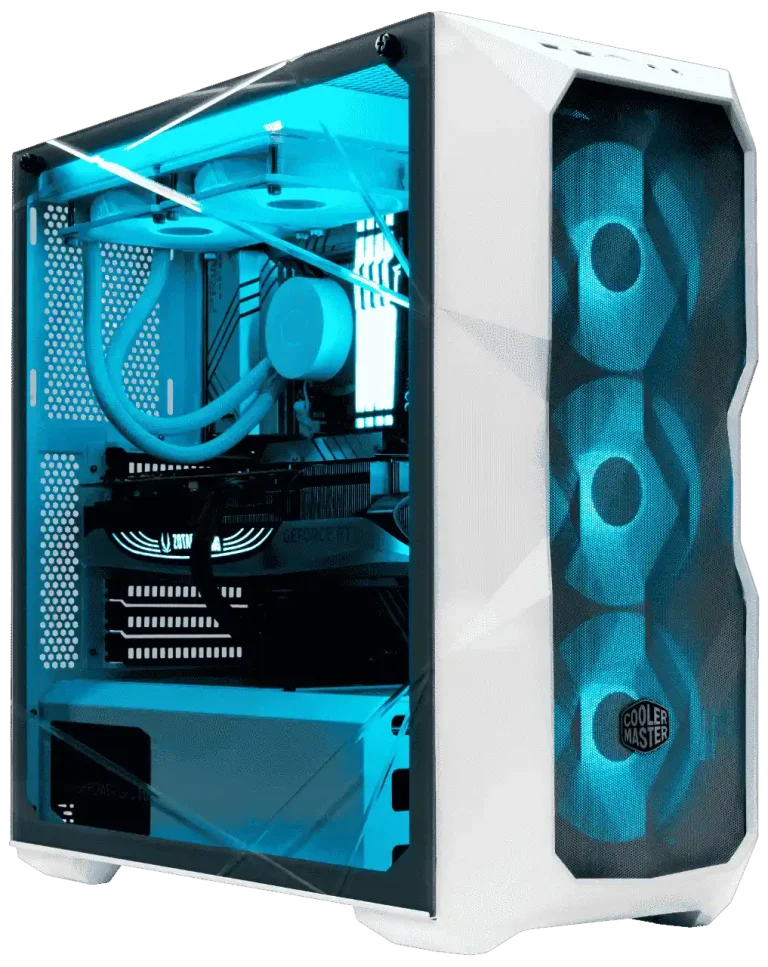
MasterBox TD500 Mesh White Custom Gaming PC
Configure for pricing
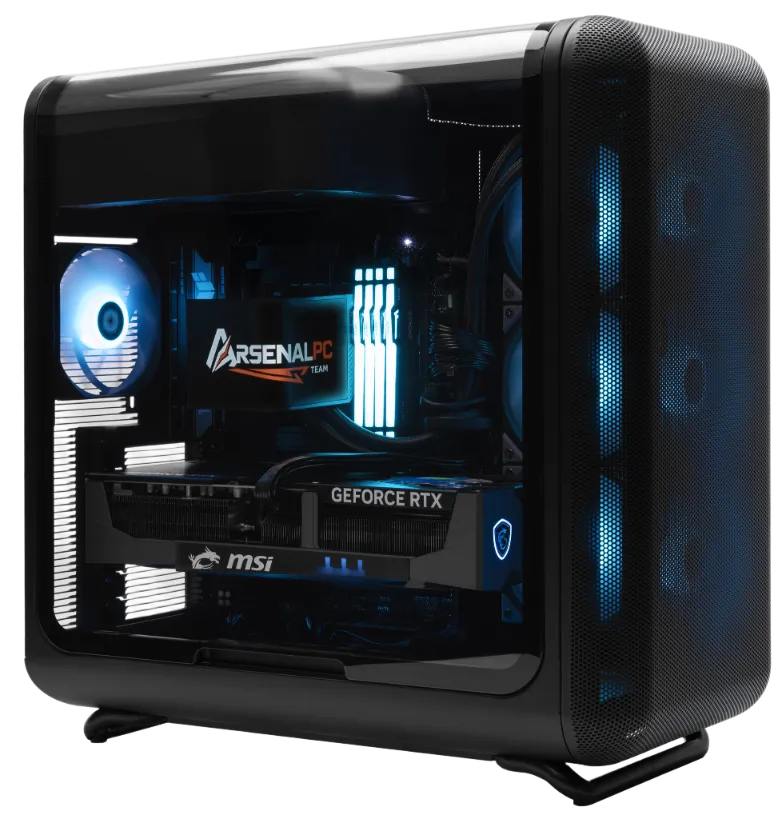
Custom Gaming PCs
HYTE X50 Custom Gaming PC
Configure for pricing
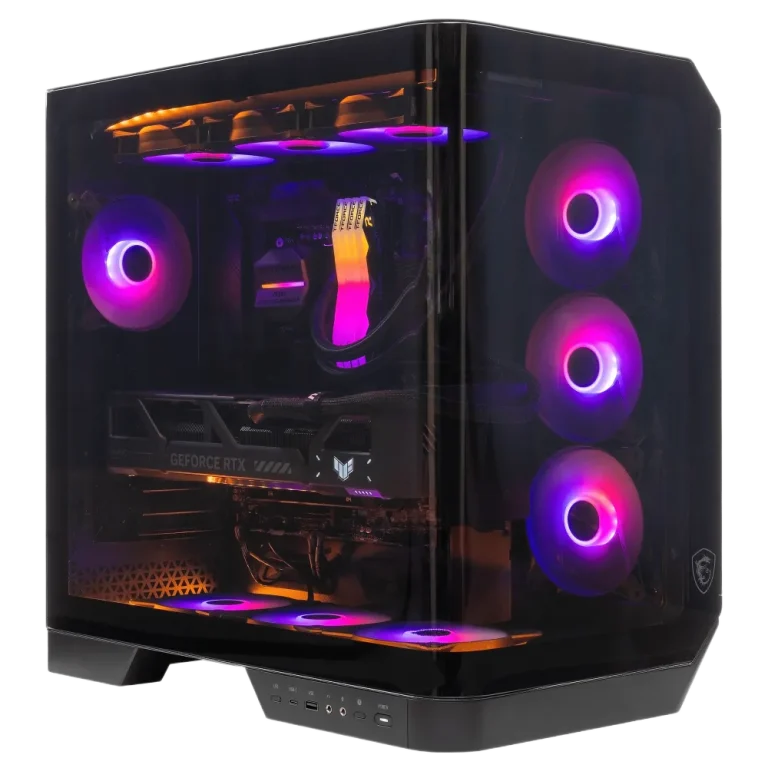
Custom Gaming PCs
Mag Pano 120R PZ Custom Gaming PC
Configure for pricing
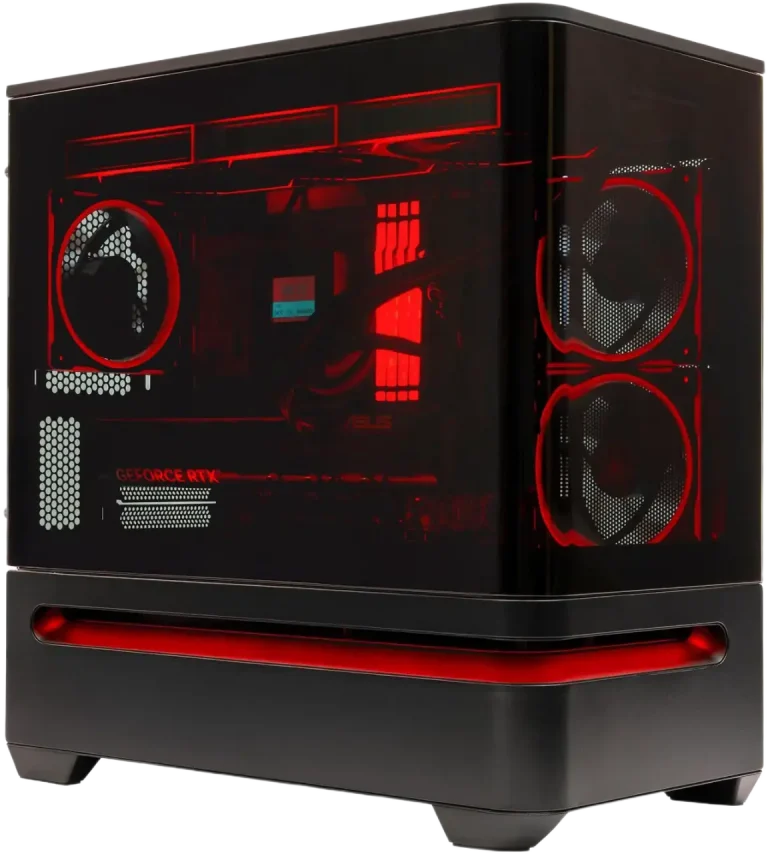
Custom Gaming PCs
ASUS Prime AP202 Custom Gaming PC
Configure for pricing
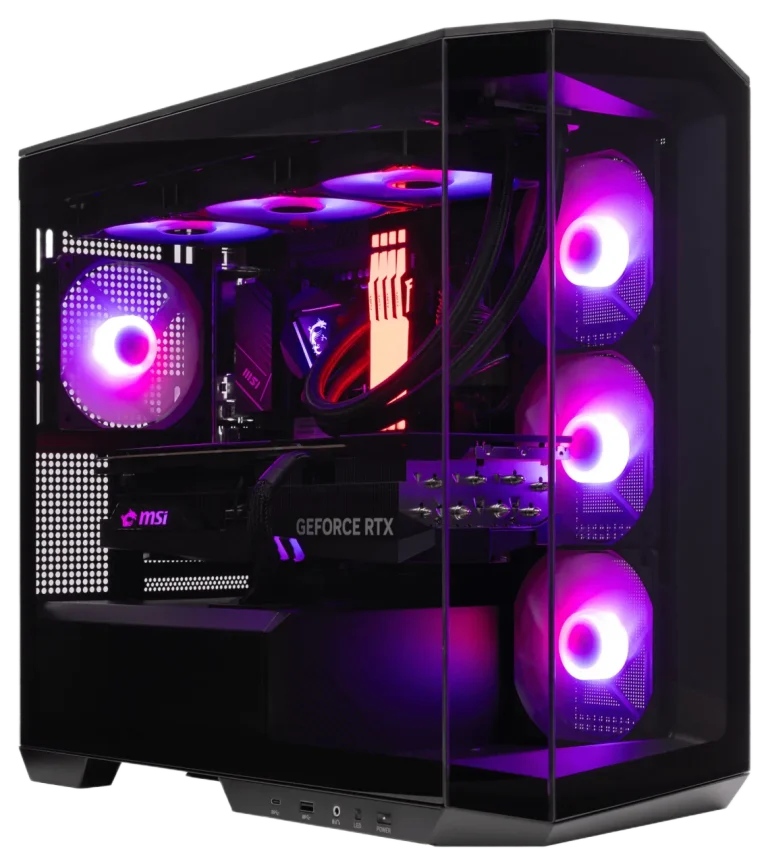
Custom Gaming PCs
Mag Pano M100R PZ Custom Gaming PC
Configure for pricing
Custom Gaming PCs
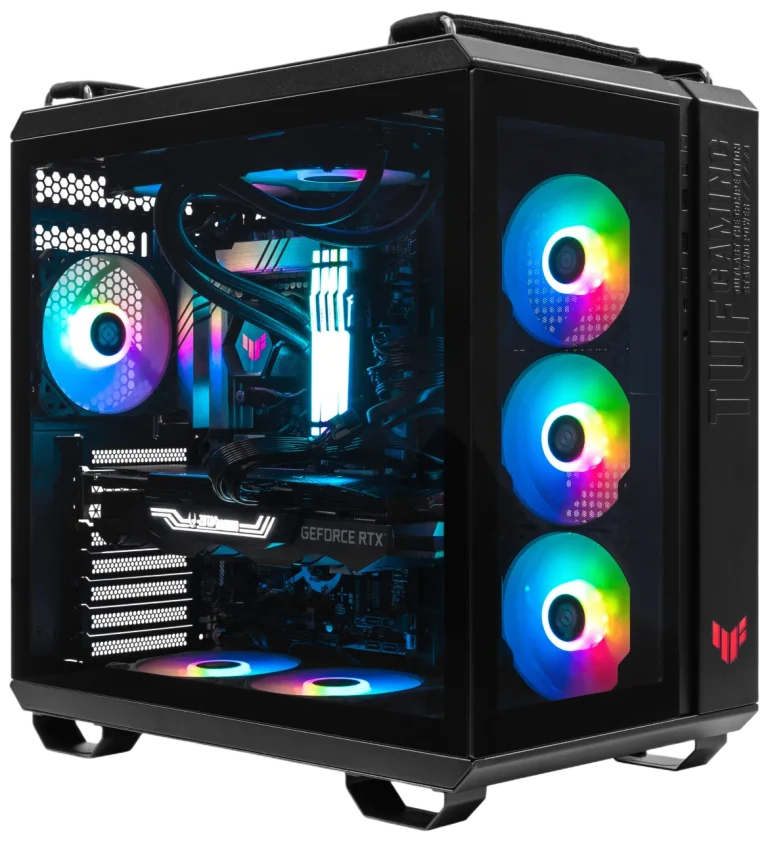
TUF Gaming GT502 Custom Gaming PC
Configure for pricing
Frequently Asked Questions
Industry analysts do not expect a meaningful price correction before late 2027 at the earliest. IDC analyst Jitesh Ubrani stated explicitly that memory shortages will persist well into 2027 and that prices are unlikely to return to 2025 levels before 2028. Gartner’s modeling reinforces that timeline, projecting a 130% combined surge in DRAM and SSD costs through the end of 2026 alone. The shortage is supply-side, driven by fab capacity being redirected to high-margin AI memory, so a demand slowdown will not resolve it on its own.
DDR4 has risen sharply alongside DDR5 and no longer offers the budget escape it once did. A 32GB DDR4 kit that sold for $55 to $70 at mid-2025 lows was retailing at $250 to $350 by March 2026, a 400 to 500 percent increase. The same fab-level pivot toward HBM production that squeezed DDR5 supply also tightened DDR4 inventory, because the underlying DRAM wafer capacity is shared. Buyers hoping to save money by specifying DDR4 on a compatible platform will find the gap between the two standards has narrowed considerably in dollar terms.
The RTX 5090 launched at a $1,999 MSRP but has never been widely available at that price for any sustained period. Custom AIB models from board partners now average around $4,700 in the US, with some listings topping $6,000, placing the card at more than double its stated launch price by September 2026. Nvidia notified board partners in May 2026 of an estimated additional $300 increase on the 5090 and 5090D V2 SKUs, citing rising GDDR7 memory costs. Because AI accelerator production competes for the same GDDR7 supply, consumer GPU allocations remain constrained regardless of official pricing.
Yes. The NAND flash supply squeeze that pushed NVMe SSD prices up approximately 115% and SATA SSD prices up roughly 75% draws from the same pool of flash memory used in external drives, USB sticks, and SD cards. Samsung and SK Hynix cutting NAND output to prioritize high-bandwidth memory for AI chips reduces total NAND availability across every product category that uses it. Buyers looking to offset internal SSD costs by using external storage for game libraries will find that option has also become materially more expensive compared to 2025 baselines.
32GB is the practical minimum for a modern gaming build in 2026, even though that baseline now costs upwards of $400 for a DDR5 kit, up from $100 to $130 in early 2025. Specifying 16GB to save money creates a bottleneck that will be felt immediately in memory-intensive titles and background workloads, and upgrading later means paying whatever the market charges at that future point, which industry forecasts suggest will remain elevated through at least 2027. Buying the correct amount of RAM at build time is more cost-effective than planning a near-term upgrade.
Last-generation inventory represents one of the few genuine value windows still open in the current market. RTX 4000 series and RX 7000 series cards are sitting in distribution channels as buyers chase current-generation hardware, and that remaining stock has not absorbed the same GDDR7-driven price hikes hitting RTX 50 series cards. The window is finite: once that inventory clears, there is no equivalent relief valve in the near-term supply picture. For buyers who can accept last-generation rasterization performance and are not targeting 4K with full ray tracing, this path offers meaningful savings relative to current-gen pricing.
AI data centers require massive quantities of high-bandwidth memory, GDDR7 for GPU accelerators, and NAND flash for storage. Semiconductor fabs earn significantly higher margins on HBM and enterprise NAND than on consumer DDR5 or retail SSDs, so when AI demand surges, fabs redirect wafer starts toward those higher-margin products. Samsung’s shift to HBM4 mass production in early 2026 pulled capacity directly away from commodity DDR5 lines. The result is a structural supply reduction for consumer components that persists as long as AI infrastructure investment remains at current levels, which forecasters expect through at least 2027 to 2028.
The risk calculus has shifted meaningfully toward configured and prebuilt systems in 2026. Large OEMs hold long-term supply agreements that give them component access and pricing that individual buyers cannot replicate at retail. Beyond cost, the open market for DDR5 has seen a rise in counterfeit and remarked modules, a risk that does not exist when buying from a builder using vetted distributor stock. A configured system also carries a single unified warranty covering the full build, whereas a DIY build relies on separate warranties from multiple vendors that do not coordinate in the event of a failure.
Need Help Choosing the Right PC?
ArsenalPC has been building custom gaming and workstation PCs from Willoughby, Ohio for over 27 years. Every system we ship is POST-tested and burn-in validated before it leaves our shop, and our supplier relationships give us component access and pricing visibility that open retail simply cannot match. Whether you need a gaming rig, an AI workstation, or a configured system that locks in today’s pricing before the next round of hikes, our team is ready to help.
- Phone: 866-277-3627 (Toll-Free) | 440-602-7090 (Local)
- Email: Contact Form
- Visit: 4711 E355 St, Willoughby, OH 44094
- Hours: Mon-Fri 10AM-6PM, Sat 11AM-3PM