
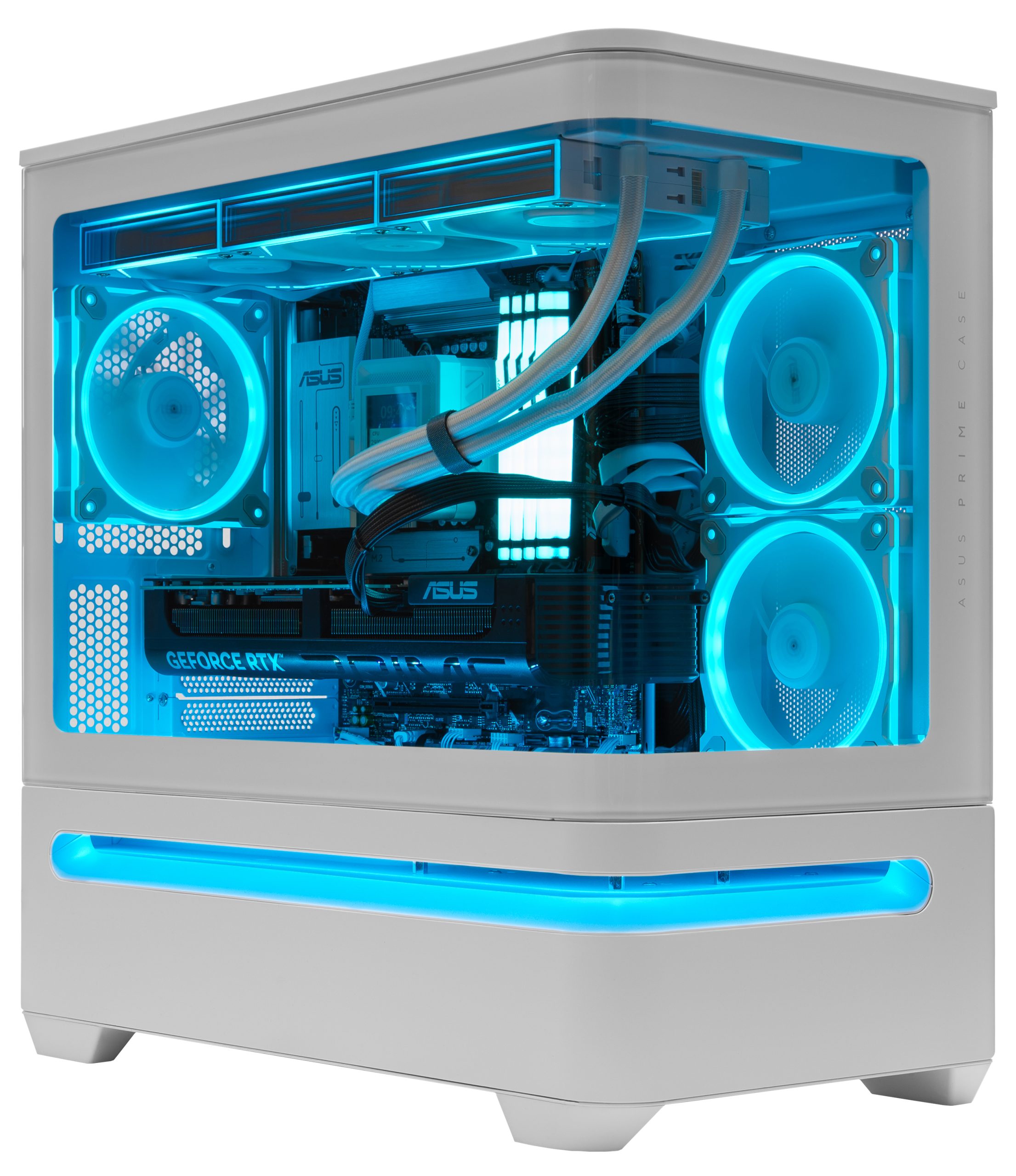

A 1080p gaming PC worth owning costs about $600 to $850 in late 2026. Memory, storage and GPU prices now set that floor more than the CPU or case do. BottleneckPC’s July 2026 budget guide puts a solid 1080p build in that range. It says the DDR5 shortage alone adds about $100 to $150 to a normal build.
We’d spend toward the top of that range, because most savings below it come from the power supply, SSD and cooling. A builder that won’t cut those three parts will always price above the cheapest DIY parts list.
What the cheapest custom PC costs in late 2026
Memory and the graphics card now take a much bigger share of a budget build. Tom’s Hardware’s RAM index shows a 32GB DDR5 kit sold for $100 to $200 in October 2025. The same kit now starts at $350 when it’s in stock. Tech-Insider cited that index and listed 32GB of DDR5-6000 at $429 heading into October 2026. Its all-time low was $72.
On a $700 build, 32GB of memory can eat about half the budget. That’s why so many cheap parts lists drop to 16GB. We track the memory trend in our DDR5 pricing breakdown.
Graphics cards are the second squeeze. TechSpot’s August 2026 survey found three entry cards selling above launch MSRP. The RTX 5060 launched at $299 but sold 51 percent higher, at about $450. AMD’s 8GB RX 9060 XT also launched at $299 and sold 20 percent higher, at about $360. The 16GB card went from a $349 launch price to about $460, a 32 percent premium.
Tech-Insider, citing PCGamesN, reports that AMD may have raised the RX 9060 XT’s list prices to $309 for the 8GB card and $369 for the 16GB card. If that’s right, part of AMD’s premium is now built into its MSRP.
Intel’s Arc B580 sells close to its launch price. Tech-Insider reports it at $250 to $300 against a $249 launch MSRP. Our GPU price tracker follows these premiums each quarter.
The price floor: below this, quality drops
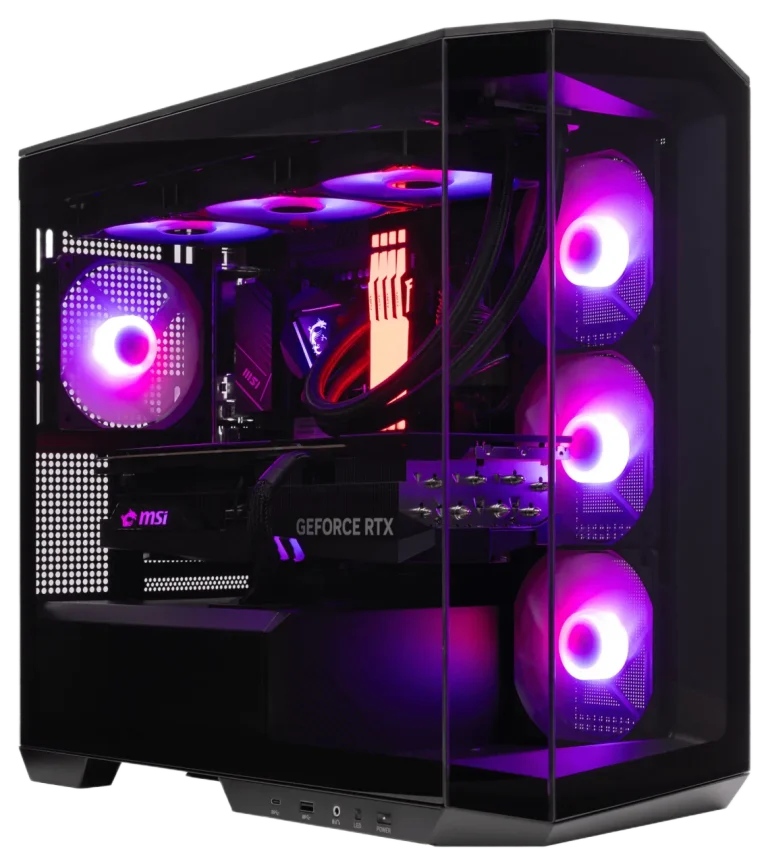
Lowest-Priced 1080p Build
MAG PANO M100R PZ, GeForce RTX 5060 8GB, Intel Ultra 5 225F, DDR5 32GB, 1 TB NVMe SSD, Gaming PC
The good
- RTX 5060 for heavy 1080p games
- 32GB DDR5 memory
- 1TB NVMe SSD
The trade-offs
- 8GB VRAM limits ray tracing
- Not a 1440p machine
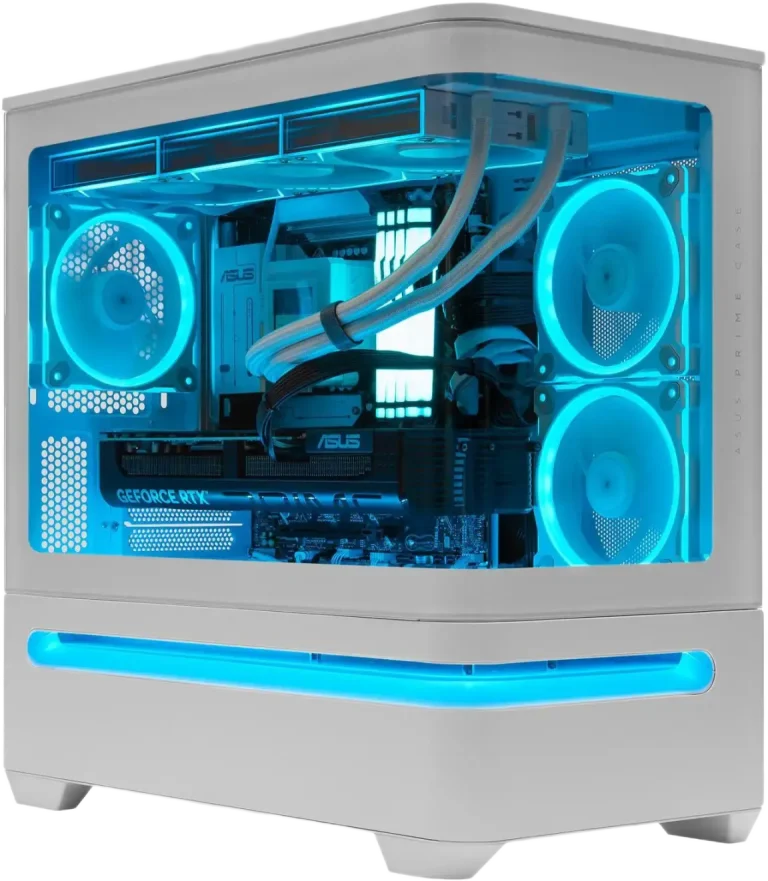
Best AMD Entry Build for 1080p Gaming
ASUS Prime AP202 White, Radeon RX 9060 XT 8GB, Ryzen 5 9600X, DDR5 32GB, 1 TB NVMe SSD, Gaming PC
The good
- RX 9060 XT for AAA games
- Ryzen 5 9600X on AM5
- 32GB DDR5 and 1TB NVMe
The trade-offs
- 8GB VRAM, ray tracing off
- $80 more than the RTX 5060 build
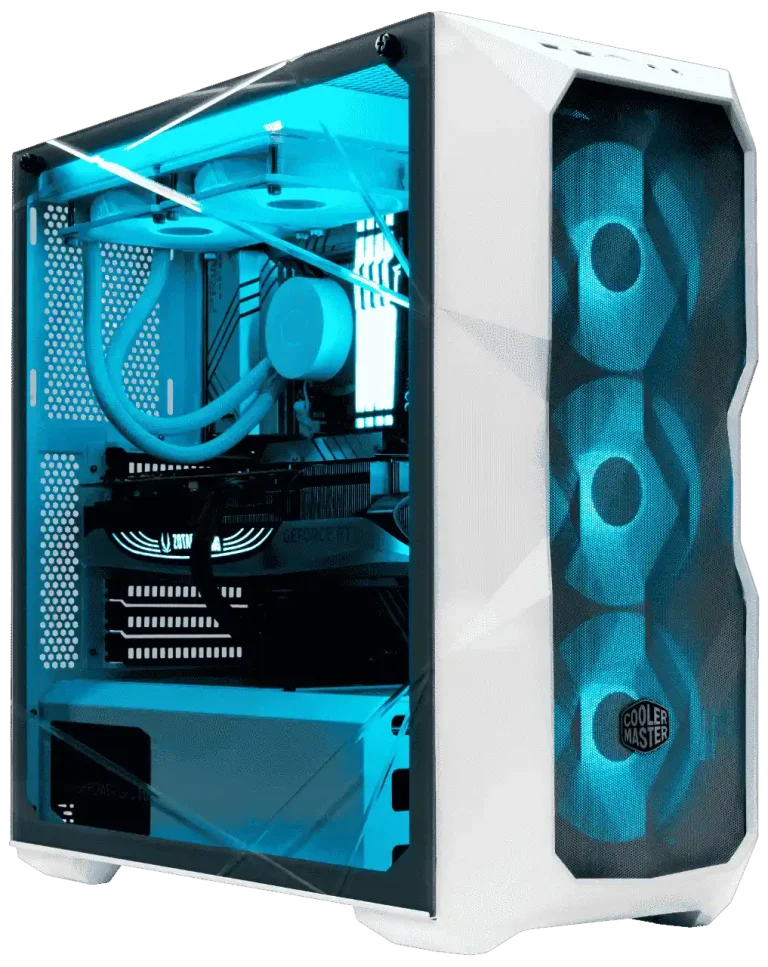
Fastest Entry Build of the Three
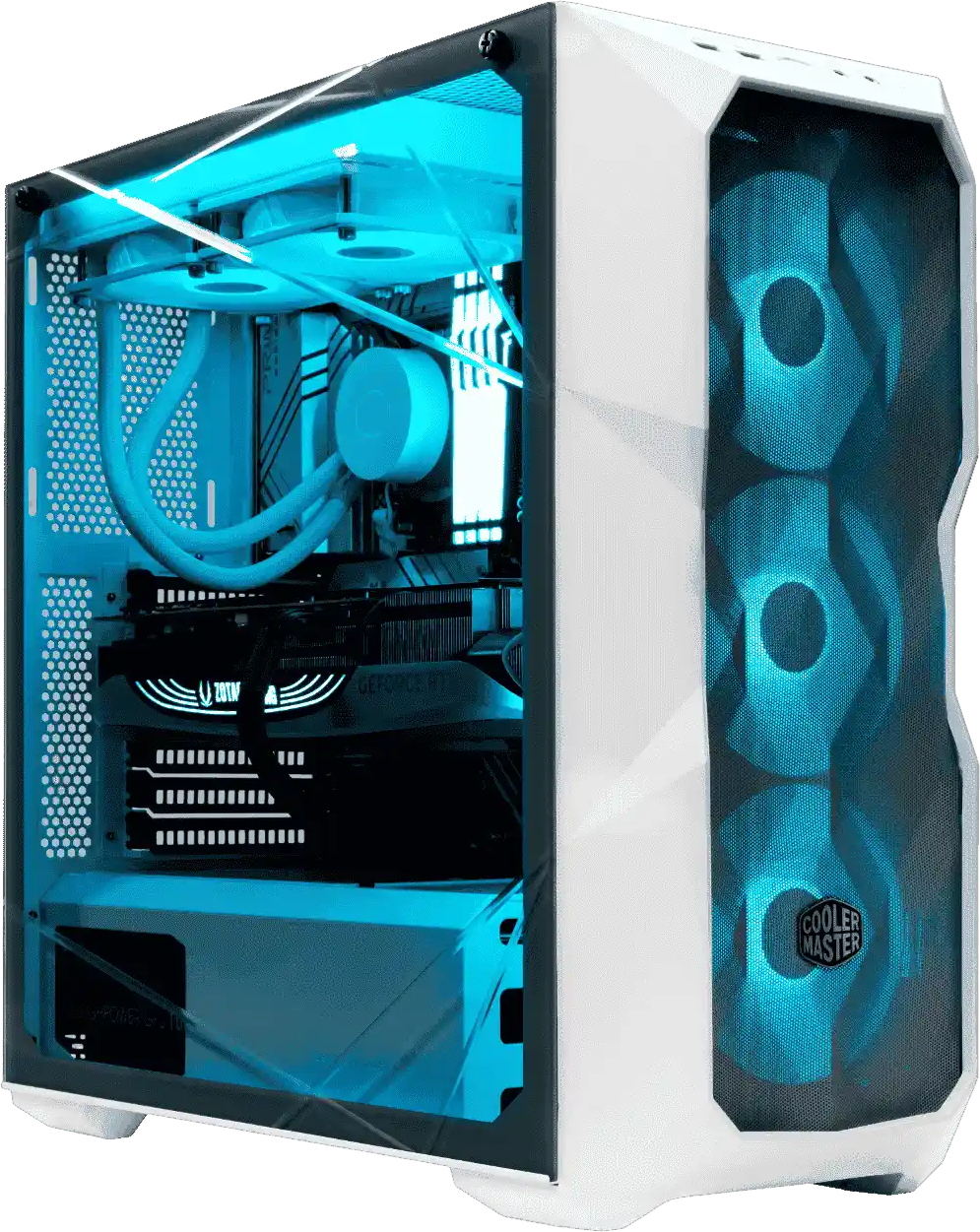
MasterBox TD500 Mesh White, GeForce RTX 5060 Ti 8GB, Intel i7-14700KF, DDR5 32GB, 1 TB NVMe SSD, Gaming PC
The good
- RTX 5060 Ti graphics
- Intel i7-14700KF processor
- Mesh-front case for airflow
The trade-offs
- Highest price of the three
- Still 8GB of VRAM
Below about $600, a gaming PC has had a part cut to reach its price. Usually it’s an old refurbished office PC or a machine with 8GB of RAM. Others hide a DRAM-less or QLC drive or a no-name power supply, and the listing title rarely says which.
The Inspect Aspect’s 2026 budget roundup shows what that looks like. Its lowest-cost gaming pick is a certified refurbished system with a Core i5-4570 and 8GB of RAM. That CPU is a 2013 quad-core without Hyper-Threading, and it runs on DDR3. Current games that expect 16GB or more will stutter on it. The platform is also too old to upgrade.
Memory prices keep the floor from moving lower. Tom’s Hardware’s RAM index tracks 16GB of DDR5-5600 at $214, which is about a third of a $650 build. To cut further, a seller has to drop to 8GB.
We’d treat any new gaming PC that ships with 8GB as refurb-class, even when it’s sold at a new-PC price.
All three picks above ship with 32GB of DDR5 and a 1TB NVMe SSD. That’s why they cost $2,171 to $2,351, roughly three times a typical DIY 1080p build. The 32GB kit price above covers part of that gap. Entry GPU premiums and our assembly and testing make up the rest.
Parts you should never cheap out on
If the budget is tight, we’d cut case extras or the CPU tier first. That means skipping glass panels and RGB, but keeping a mesh front and intake fans. Keep the PSU, SSD and cooler too, because all three carry over when you upgrade the GPU later.
Power supply: the part that protects everything else
A cheap PSU is the worst budget cut, so buy a reputable unit with full protections and a solid warranty. Every part in the PC draws power through it. A no-name unit often leaves out the circuits that shut it down safely when something fails.
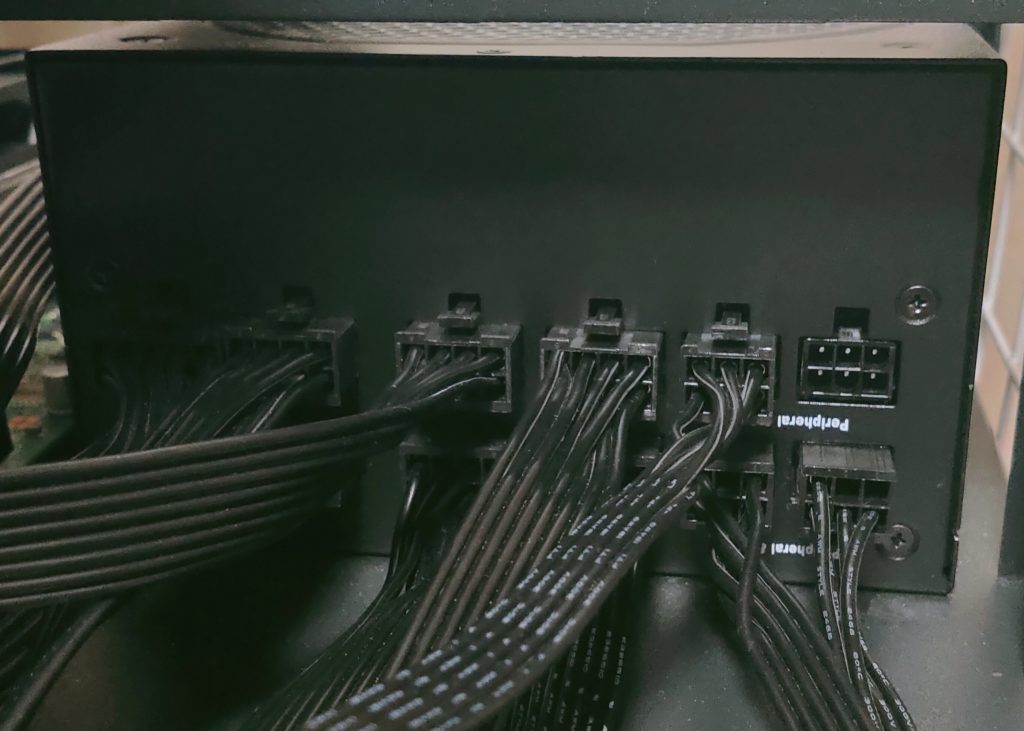
Check these four things on the spec sheet before you buy:
- Protections: over-current (OCP), over-voltage (OVP) and short-circuit (SCP) protection, each listed by name.
- Efficiency: 80 Plus Bronze at minimum, and Gold if the budget allows.
- Warranty: we’d want at least five years of coverage on the unit.
- Brand: a maker whose units have independent reviews you can read.
We’d buy a quality 650W to 750W unit. That leaves room to move up a GPU tier later and keep the same power supply.
Storage: 1TB TLC Gen4 is the floor
StorageDiskPrices found that mainstream Gen4 drives cost about 3.5 times their June 2023 low per terabyte in September 2026. We’d still buy a 1TB TLC drive at minimum, because it holds a few modern games and stays fast as it fills.
A 500GB drive is full once you’ve installed Windows and two or three large games. Then you buy a second drive later at the same high prices. DRAM-less and QLC drives cost less up front, but their write speeds fall sharply once the fast cache fills. QLC flash also wears out sooner. You’d get slower installs and patches for as long as you own the PC.
Cooling and airflow: a low-cost tower beats a stock cooler
An inexpensive tower cooler in a case with real intake airflow keeps the CPU and GPU quieter and at full boost. A stock cooler will run a budget CPU, but its small fan ramps hard under a gaming load. When the CPU reaches its temperature limit, it lowers its clocks, so you lose speed you paid for.
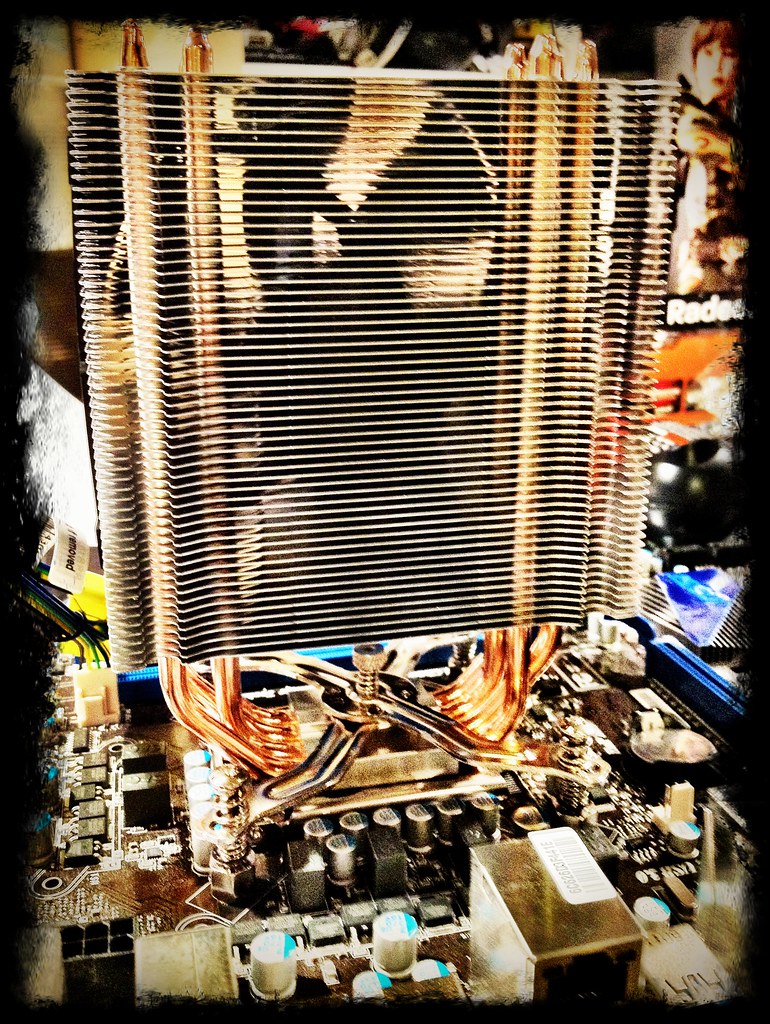
The case matters as much as the cooler. Look for a mesh front panel with at least two intake fans and one exhaust fan. A solid glass or plastic front starves the GPU of fresh air, so its fans get louder and its clocks drop.
Parts where the cheaper choice is fine
For 1080p gaming, AM4 with DDR4 on a B550 board costs much less than an AM5 build with DDR5, so the difference pays for a good PSU, a 1TB TLC SSD and proper cooling.
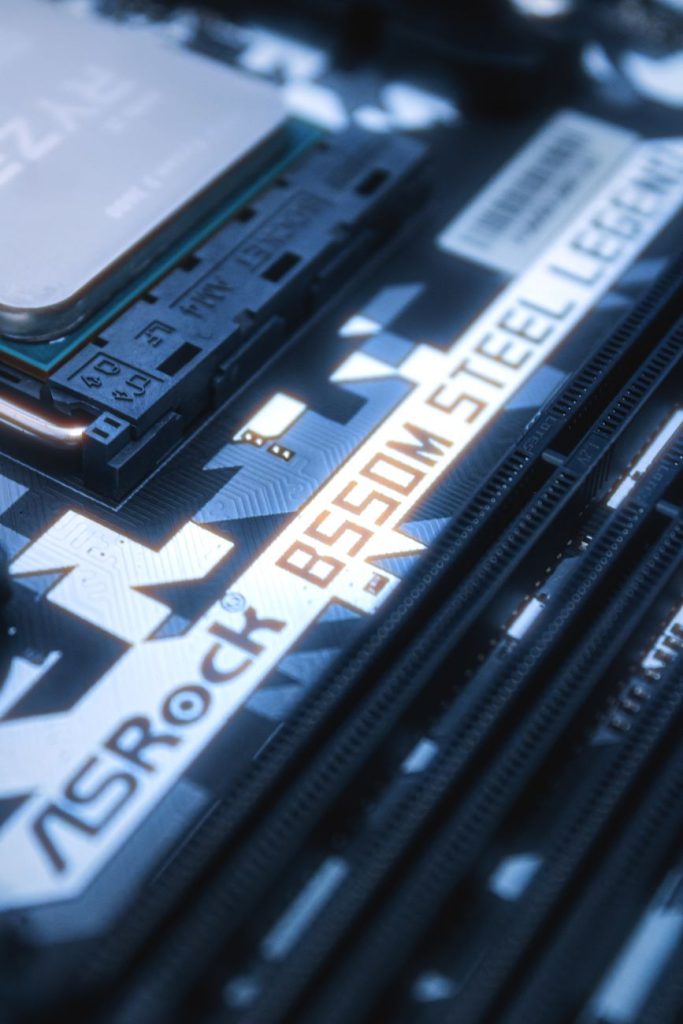
Memory gives you the biggest saving. Capital and Compute’s memory price tracker puts DDR4 at roughly 56 percent cheaper per gigabyte than DDR5.
BottleneckPC lists B550 boards from about $80, while an entry B650 board for AM5 starts around $140. But AM4 is a dead-end platform. No new CPUs are coming for that socket, so a later CPU upgrade also means a new board and new memory.
TechGuided’s December 2025 build lists kept landing on a Ryzen 5 5600, a B550 board and 16GB of DDR4. The builds ran from $700 with an Arc B570 to $800 with an RTX 5060. GPU prices have risen since then, so those totals are low today.
We’d accept 16GB of RAM for 1080p on a DIY budget build. A plain case is fine as long as it has the mesh front described above.
What the cheapest build actually runs at 1080p
An RTX 5050 averages about 66 fps at 1080p. TechSpot measured that average across 18 games, with the 5050 3 percent behind the older RX 7600. TechPowerUp’s review compares newer cards against the 5050. It puts the RTX 5060 30 percent ahead, the 8GB RX 9060 XT 33 percent ahead and the RTX 5060 Ti 50 percent ahead.
Some newer games pull the 5050 below 60 fps. TechSpot measured it at 50 fps in Marvel Rivals. The gap to faster cards grows in heavy games. In Cyberpunk 2077, the 8GB RX 9060 XT reached 111 fps, 54 percent faster than the 5050. In The Last of Us Part I, the 8GB RX 9060 XT ran nearly 40 percent faster than the RTX 5050.
TechPowerUp says 1080p is the only resolution worth considering for the RTX 5050. It adds that native max settings in modern AAA games may be too much for the card. Ray tracing is the bigger limit, because it pushes VRAM use well over 8GB. Plan on DLSS or FSR at high settings, and leave ray tracing off on any 8GB card.
For a tight DIY build, Intel’s $220 Arc B570 costs less and stays comfortably above 60 fps in most games. It falls short in demanding titles like Black Myth: Wukong.
These reviews are from July 2025, so treat the exact frame rates as approximate. The gaps between cards are the more useful number. In a complete system, we’d treat the RTX 5050 as the minimum. To keep heavy games above 60 fps, we’d pick the RTX 5060 or 9060 XT.
Custom builder vs budget prebuilt vs DIY at the same price
DIY saves you the labor cost. Mass-market prebuilts often hit their price with a cheaper PSU and SSD. Gamers Nexus built a $668 DIY gaming PC in January 2026, when RAM and SSD prices were at multi-year highs. GPU prices rose sharply after that, so the same parts list costs more today.
A custom builder is the only route that includes all five of these extras:
| Feature | DIY | Budget prebuilt | Custom builder |
|---|---|---|---|
| Assembly included | No | Yes | Yes |
| Burn-in testing | No | Varies | Yes |
| Single-point warranty | No | Yes | Yes |
| PSU and SSD named | Yes | Often not | Yes |
| Ongoing support | No | Limited | Yes |
A single-point warranty matters most when something fails. With DIY, you work out which part died and file a claim with that part’s maker. A builder diagnoses and repairs it for you.
Pick a builder that lists every part by brand and model, including the PSU and SSD. We stress-test each system for at least three hours before it ships. You can compare chassis options on our custom PC configurator.
When one step up is worth the money
Among the builds shown above, the RTX 5060 Ti system costs $180 more, about 8 percent, than the RTX 5060 system. That $180 also swaps the Core Ultra 5 225F for an i7-14700KF. We’d pay it if you play heavy games at 1080p, because the 5060 Ti’s lead over the 5050 is about 20 points bigger than the 5060’s. It’s still an 8GB card, so the upgrade doesn’t turn the build into a 1440p machine.
BottleneckPC puts a solid 1440p build at $1,100 to $1,600. Newegg says 1440p prebuilts need roughly $1,100 to $1,500, which buys an RTX 5070-class GPU.
Stay with the RTX 5050 if you mostly play older games or lighter esports titles at 1080p. Most of those run above 60 fps on the cheapest card, though some newer competitive games don’t.
If you play heavy AAA games, skip the 5050. A 1440p monitor rules out the 8GB tier.
Frequently Asked Questions
Yes, if you want ray tracing or plan to keep the card for years. TechPowerUp says ray tracing pushes VRAM use well over 8GB. At TechSpot’s August 2026 street prices, the 16GB card costs about $100 more than the 8GB card.
You can, but buy it as two sticks in a board with four slots so you can add a matching pair. Mixing kits sometimes forces lower memory speeds. Adding memory later also costs a lot at current DDR5 prices.
We’d only wait if your current PC still runs your games well. Memory and entry GPU prices have climbed for the past year.
DIY parts lists usually leave out the Windows license, so add that cost before you compare a DIY total with a prebuilt. Most prebuilts and custom builds ship with Windows installed. Check the listing, because some budget machines ship without an operating system.
Need Help Choosing the Right PC?
ArsenalPC is based in Willoughby, Ohio with 27+ years of custom-build experience. Every system we ship is hand-assembled and stress-tested for a minimum of three hours before it leaves the shop, and our team is available to help you match the right configuration to your workload, display, and budget.
- Phone: 866-277-3627 (Toll-Free) | 440-602-7090 (Local)
- Email: Contact Form
- Visit: 4711 E355 St, Willoughby, OH 44094
- Hours: Mon-Fri 10AM-6PM, Sat 11AM-3PM