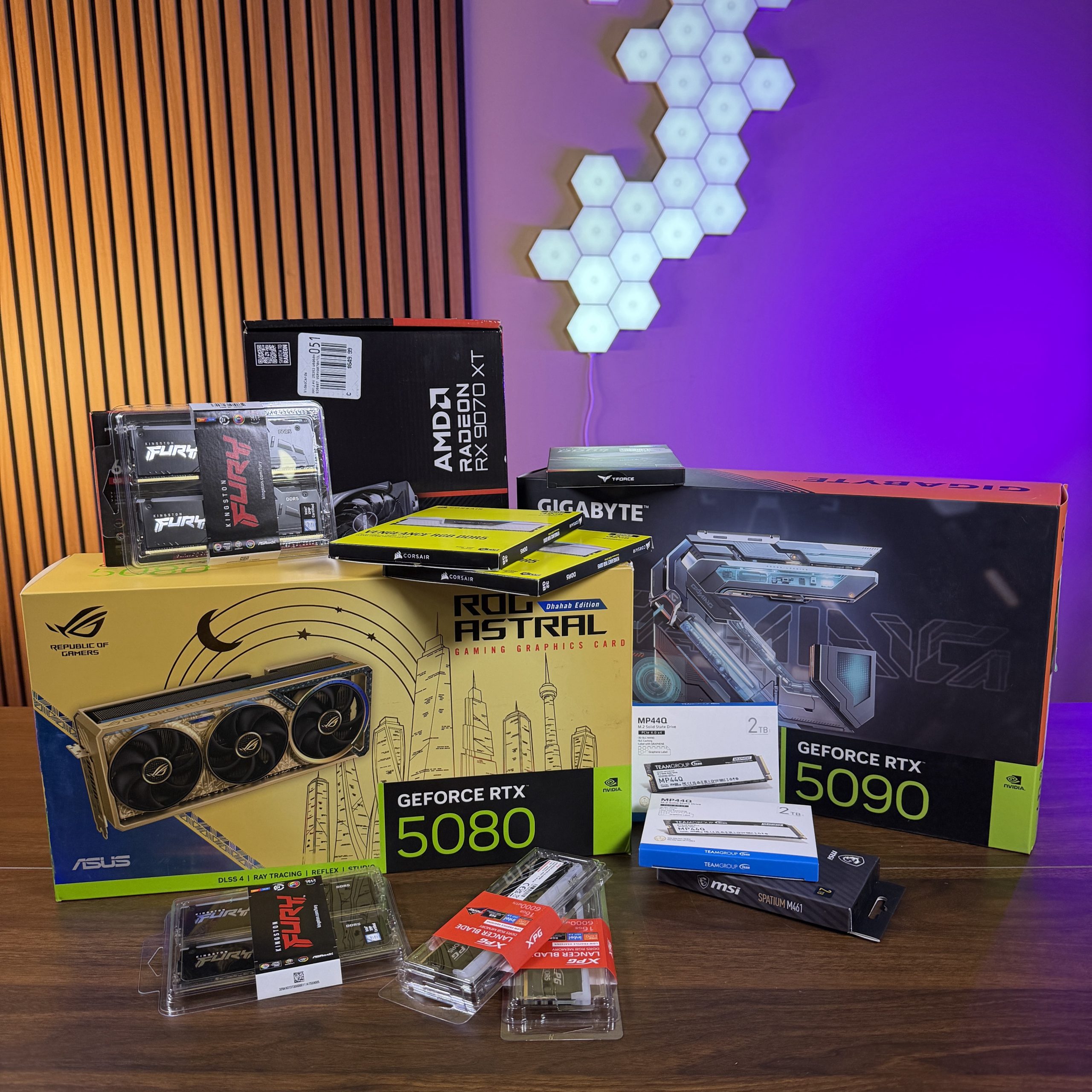

The Numbers Are Stark: Motherboard Sales Are Collapsing
The 2026 motherboard sales decline across ASUS, Gigabyte, MSI, and ASRock is not a soft correction. It is a structural collapse, and the numbers behind it are the worst we have seen in 27 years of sourcing components. Collectively, the four major manufacturers are projected to ship roughly 28% fewer boards in 2026 than they did in 2025. Digitimes characterized the situation as “worse than past financial crises or the first year of the COVID-19 pandemic.” That framing is consistent with what we are seeing in our own purchasing data.
ASUS Motherboard Shipments
ASUS sold 15 million boards in 2025 and is tracking toward roughly 10 million for the full year 2026, a one-third collapse in volume.
Gigabyte Motherboard Shipments
Gigabyte moved 11.5 million boards in 2025 and has revised its 2026 forecast down to 9 million, a 22% contraction.
ASRock Motherboard Shipments
ASRock absorbs the sharpest hit, shipments projected to fall from 4.3 million units in 2025 to just 2.7 million by year-end 2026, hitting mid-range availability hardest.
MSI is projecting 8.4 million units against last year’s 11 million, a 24% decline. For a manufacturer already operating at the leaner end of the market, that kind of volume loss has real consequences for product line depth and availability at the mid-range price tier where most of our customers build.
Manufacturers Are Voting With Their Production Lines
The most telling signal is not the sales data itself. It is where these companies are redirecting capacity. ASUS’s server business grew more than 100% year-over-year in 2025, and Q1 2026 server revenue is expected to roughly double again quarter-over-quarter. When a company that built its reputation on consumer motherboards doubles its server revenue two periods in a row, it is not hedging. It is pivoting. The consumer PC market is losing manufacturing attention, and that shift is already affecting what boards are available, at what volumes, and at what price points.
Why This Is Happening: AI Is Eating the Memory Supply
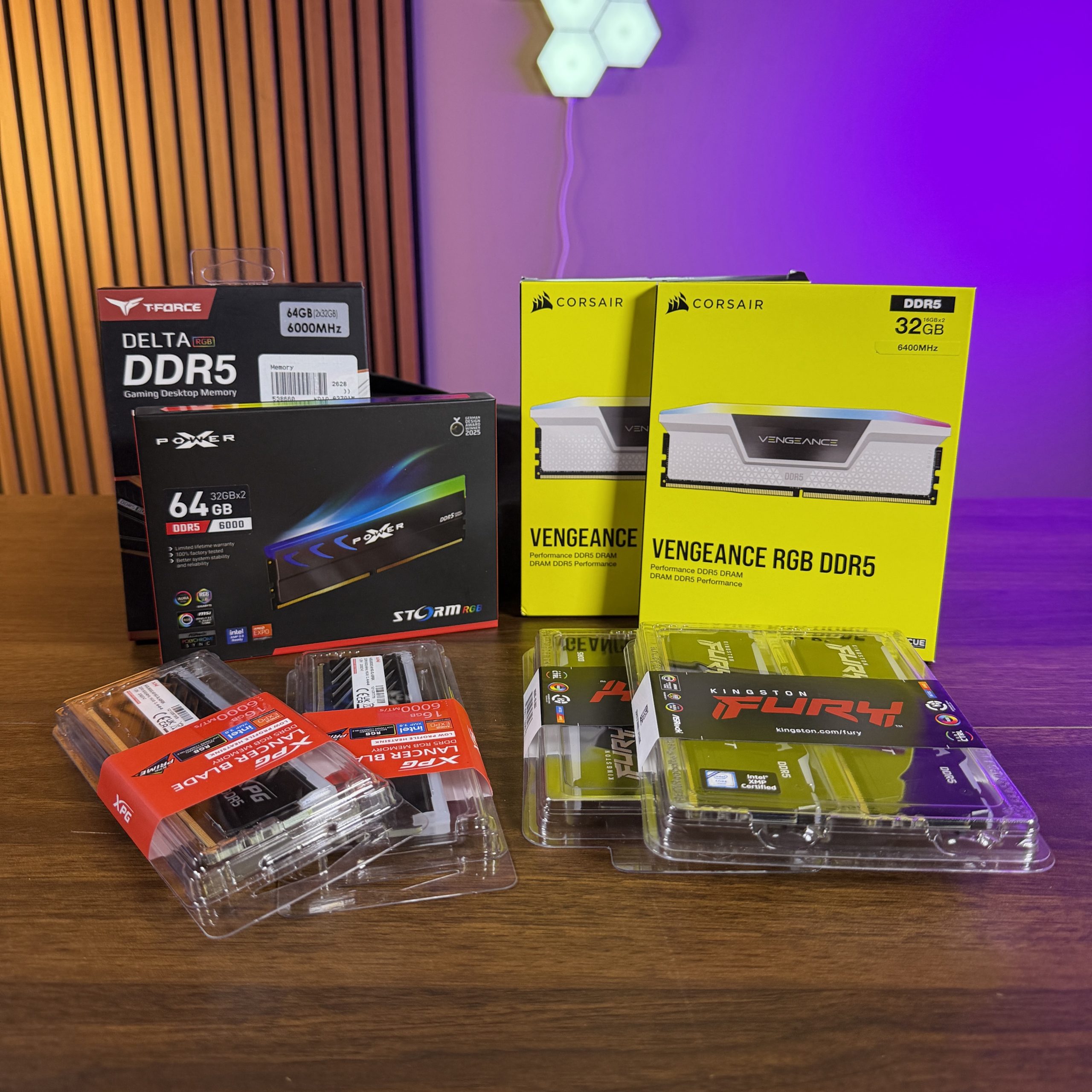
The root cause of why PC component prices are so high in 2026 is structural, not speculative. Samsung, SK Hynix, and Micron have made a deliberate business decision: they are pulling cleanroom capacity away from conventional DRAM and NAND and redirecting it toward High-Bandwidth Memory (HBM) and enterprise DDR5. HBM commands far higher margins, and demand from AI data centers is extraordinary. From what we see in our supply chain conversations, this is not a temporary pivot.
The physics of the problem make it worse than it sounds. A single HBM wafer displaces two or more conventional DRAM wafers, because HBM dies are larger and far more complex to fabricate. Total wafer output across the industry can stay flat or even rise slightly, and global memory bit supply still shrinks. That is exactly what is happening right now, and it is a direct driver of the AI memory shortage impact on gaming PC builds.
Where the Supply Is Actually Going
of Global Memory Chip Production Absorbed by Data Centers in 2026
A year prior, that figure sat at roughly 30 to 35%. Hyperscalers including Microsoft, Google, Meta, and Amazon are the primary buyers, locking up HBM allocations well in advance. HBM production for 2026 is reportedly sold out at both Micron and SK Hynix (unverified per secondary reporting). Consumer and commercial PC builders are competing for what remains.
IDC describes this as “not just a cyclical shortage” but “a potentially permanent, strategic reallocation of the world’s silicon wafer capacity.” That framing matters. Cyclical shortages self-correct in 12 to 18 months as prices rise and producers respond. A strategic reallocation does not self-correct on that timeline. IDC projects 2026 DRAM supply growth at just 16% year-over-year and NAND at 17%, both well below historical norms.
New fab capacity is not a near-term answer. Building a memory fab takes two to three years and costs $15 to $20 billion. No meaningful new capacity from Samsung, SK Hynix, or Micron is expected before 2028. Builders waiting for prices to normalize on their own are likely to wait longer than they expect.
The DRAM Price Shock in Real Numbers
The DDR5 RAM price increase in 2026 is not a gradual trend. It is a vertical move that has rewritten build budgets in a single year. A 64GB DDR5-5600 kit that averaged $191 in August 2025 was tracking at $1,118 by August 2026, a 485% increase in twelve months. That is not a rounding error. That is a component that now costs more than many mid-range CPUs.
The acceleration started in Q4 2025. The spot price of a 16Gb DDR5 chip climbed from roughly $6.84 in September 2025 to about $27.20 by December 2025, a 298% jump in one quarter. A 64GB DDR5 kit (2x32GB) that cost just over $200 in October 2025 had crossed $800 to $900 by year’s end. That is a 4x increase in roughly 90 days, which is consistent with what we were seeing in our own procurement costs at the shop.
Where Prices Stand Now
64GB DDR5-5600 (2x32GB), August 2026
Up from $191 in August 2025, a 485% increase in twelve months. This kit now costs more than many mid-range CPUs.
64GB DDR5 Kit (2x32GB), End of Q4 2025
Up from just over $200 in October 2025, a 4x increase in roughly 90 days, consistent with what we saw in our own procurement costs.
32GB DDR5-6000, August 2026
Up from $110 to $140 in Q3 2025. Even the mid-capacity tier has seen a near-tripling in price over twelve months.
TrendForce revised its Q1 2026 PC DRAM contract price forecast to over 100% quarter-over-quarter growth, which it described as the steepest single-quarter surge on record. Conventional DRAM was projected at 90 to 95% QoQ growth on top of that. Gartner extended the outlook further, forecasting a combined 130% surge in DRAM and SSD prices by end of 2026, with average PC prices rising 17% as a result.
The budget impact is structural. DRAM now accounts for over 30% of total PC build cost, a category that used to be a minor line item. Builders who priced out a system six months ago and are only now pulling the trigger are finding that the memory allocation alone has more than doubled. That shift changes every tier of build, from entry-level to workstation.
The Ripple Effect: GPUs, CPUs, and Everything Else
The memory crisis did not stay contained to RAM kits. It spread outward into every component category that touches DRAM, and that is most of them. What we are seeing in the shop now is a broad-based cost increase that started with HBM and DDR5, then moved into GPUs, then CPUs, and is now distorting build budgets at every price tier.
GPU Pricing: VRAM Costs Passed Directly to Buyers
GPU memory contracts expired at end of 2025, exposing card makers to spot rates just as they went vertical. AMD added $10 per 8GB of VRAM to Radeon RX 9000 distributor pricing in December 2025, with a second hike in January 2026. Smaller OEMs faced only 35 to 40% memory order fulfillment through Q1 2026, creating availability gaps that pushed buyers toward in-stock options at a premium.
CPUs Are Not Immune
Both Intel and AMD initiated consumer and server price increases of 10 to 15% starting in April 2026, with extended lead times accompanying the hikes. Intel CFO David Zinsner stated publicly that Q1 2026 would be the most challenging period for Intel to meet chip demand, citing inventory exhaustion, a warning that proved accurate in our own supplier conversations.
One Partial Buffer: Tariff Delay
Section 301 tariffs on Chinese-made electronics, including motherboards, PC cases, and GPUs, were delayed again to November 10, 2026. That reprieve is real but narrow. It removes one cost pressure temporarily, but does not offset the memory-driven increases already baked into component pricing. The larger cost driver is the DRAM market, not the tariff schedule.
What This Means for PC Builders Right Now
The practical fallout for anyone planning a build in 2026 is significant. Budget assumptions from 18 months ago are wrong by hundreds of dollars. The component environment has shifted enough that we are actively revising the guidance we give customers before they commit to a configuration.
Lead Times and Availability
Custom build lead times stretched 15 to 20% longer through late 2025 as shortages worked through the supply chain. We have no confirmed primary source showing that situation has fully resolved, so treat any lead time estimate you read online with appropriate skepticism. What we see in the shop suggests availability remains uneven, particularly for specific DDR5 capacities and speeds.
The OEM Pre-Buy Problem
Here is something we will say plainly: some large OEMs are temporarily competitive on price in ways that are unusual. Vendors who locked in bulk component contracts before the memory spike are sitting on pre-bought inventory. On certain models, that lets them match or undercut what a fresh parts bill would cost a DIY builder today. This complicates the traditional custom PC builder vs DIY 2026 memory shortage calculus, and we think it is worth acknowledging honestly rather than pretending it is not happening.
That advantage is not permanent. Those pre-buy buffers will exhaust. Lenovo, Dell, HP, Acer, and ASUS have already warned clients of 15 to 20% price hikes on systems shipping in the second half of 2026. IDC’s December 2025 forecast projected average PC prices rising up to 8% and the broader market potentially contracting by as much as 8.9% under a pessimistic memory shortage scenario.
Signs the Market Is Under Real Stress
Some indicators are harder to ignore than price charts. Framework stopped selling standalone RAM modules to prevent scalper activity. Other pre-built manufacturers have begun shipping systems without RAM included at all. These are not normal market behaviors. They reflect a supply situation where memory allocation is being rationed at the vendor level before product even reaches consumers.
How to Avoid Getting Burned in This Component Market
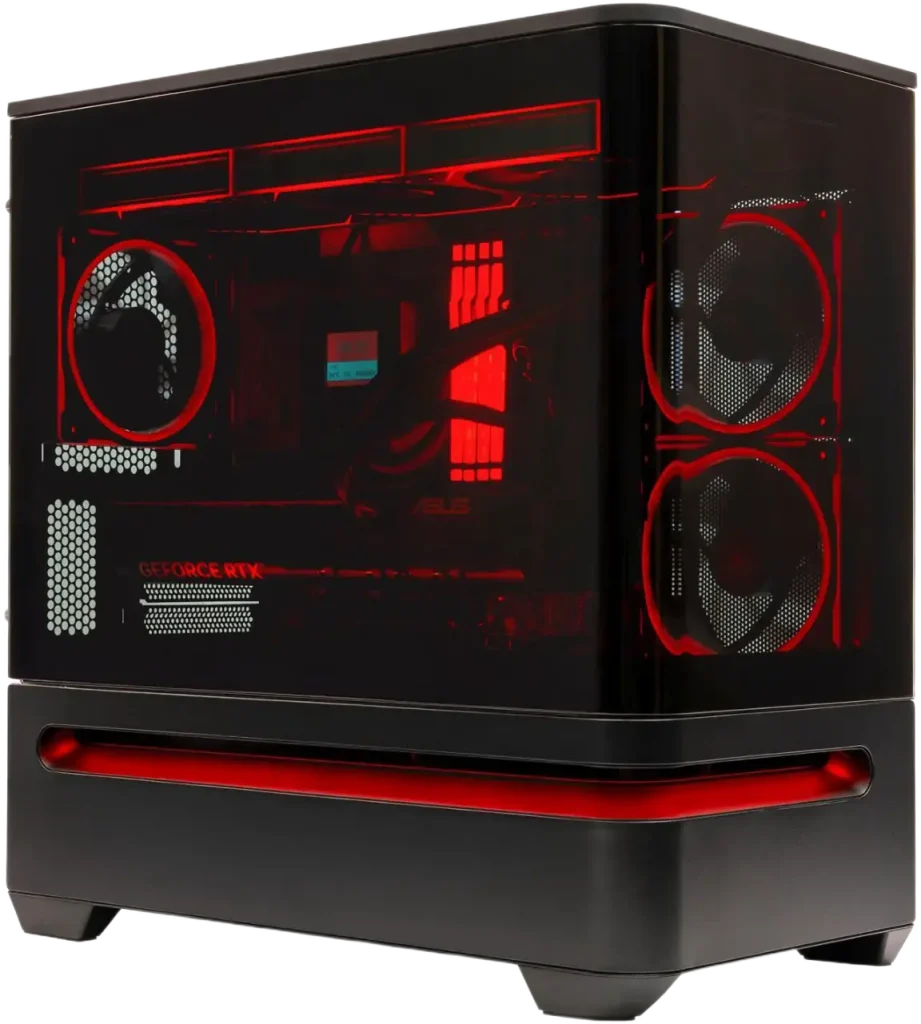
Where to Focus Your Budget First
Prioritize GPU and CPU selection before anything else. Those components have clearer pricing signals and more stable availability right now. Memory is the volatile line, so treat it as a constraint to work around rather than a starting point. On capacity, buy what you need today and resist the urge to over-spec RAM in hopes of future-proofing, because the premium for higher-capacity kits is inflated well beyond historical norms.
Motherboard selection deserves extra scrutiny. As we covered in our build data, the DIY motherboard market has contracted sharply, and retail availability on specific SKUs is inconsistent. Locking in a platform early, before a shortage hits a specific chipset tier, matters more in this environment than it did two or three years ago.
The Custom PC Builder Advantage in 2026
The custom PC builder vs DIY 2026 memory shortage question comes down to one practical difference: allocation access. We carry 27 years of supplier relationships that give us visibility into real availability, not just what a retail listing shows as in-stock today. A retail spot price can disappear or spike between the time you add something to a cart and the time you check out.
When we configure a system, we build around what we can actually source at a predictable cost. That means substituting equivalent components when a specific SKU is constrained, without compromising the build’s performance profile. That difference is where deep supplier relationships and decades of procurement experience pay off in a market this unpredictable.
How to Navigate This Market Without Getting Burned
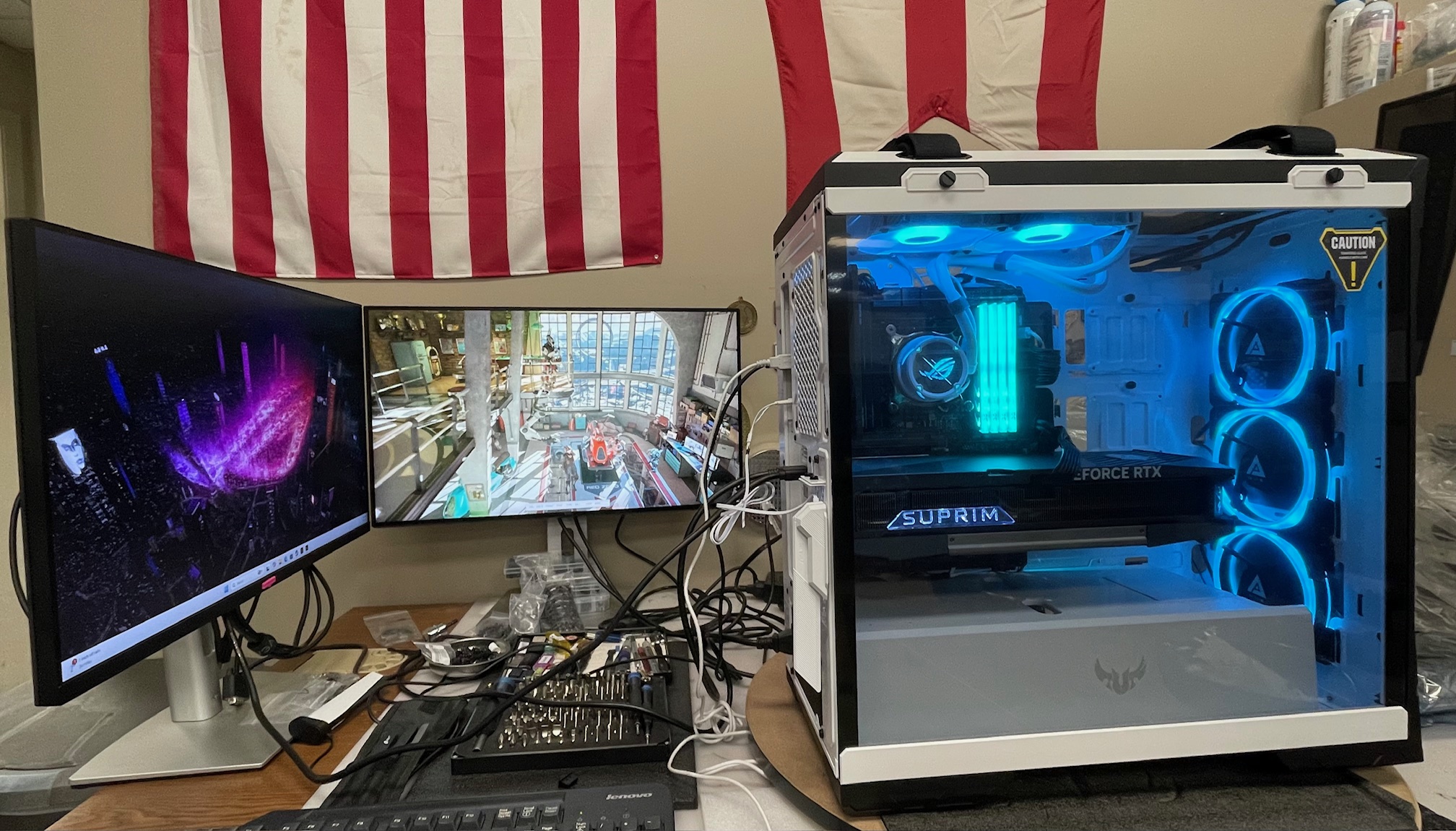
ArsenalPC Configured Systems
Sourced and built by our team, allocation handled for you
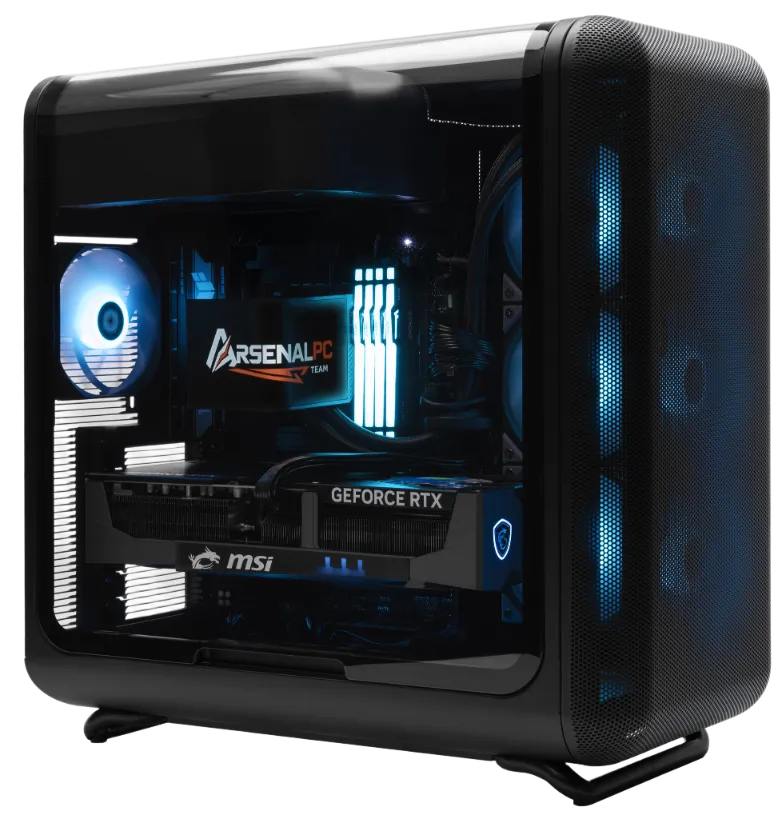
The good
- HYTE X50 chassis delivers exceptional airflow and premium aesthetics
- Configured by ArsenalPC with verified component allocation, no surprise out-of-stocks
- Flexible spec options across GPU and memory tiers
The trade-offs
- Premium chassis adds to base cost vs. utilitarian alternatives
- Memory pricing at time of order reflects current market rates
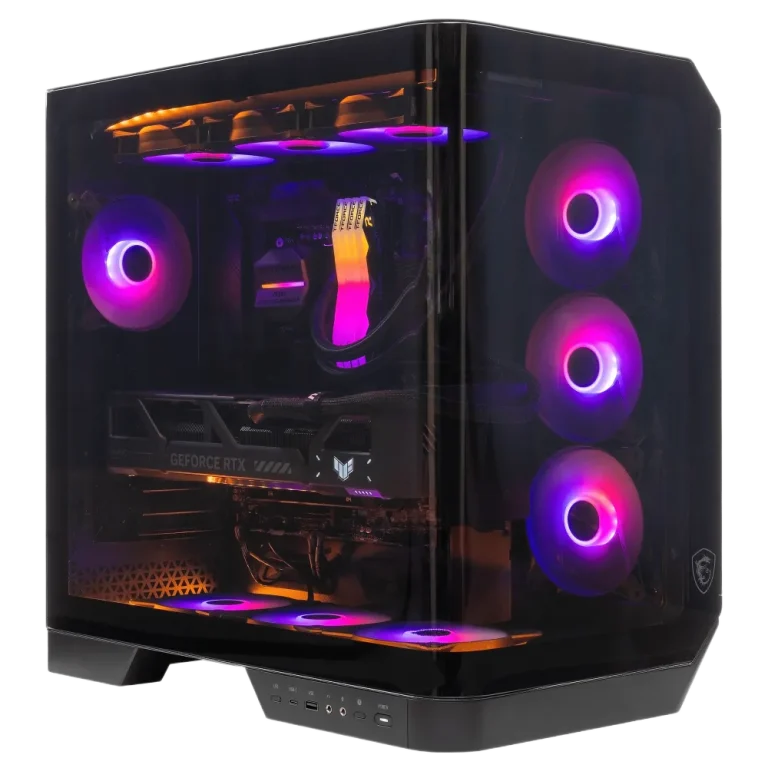
Best Value Build
Mag Pano 120R PZ Custom Gaming PC
The good
- MSI Mag Pano panoramic glass design with strong internal volume for airflow
- ArsenalPC sources components against real stock, no phantom listings
- Solid value-to-performance ratio at the mid tier
The trade-offs
- Panoramic glass panels add weight and require careful handling during transport
- DDR5 memory costs at current market rates affect total build price
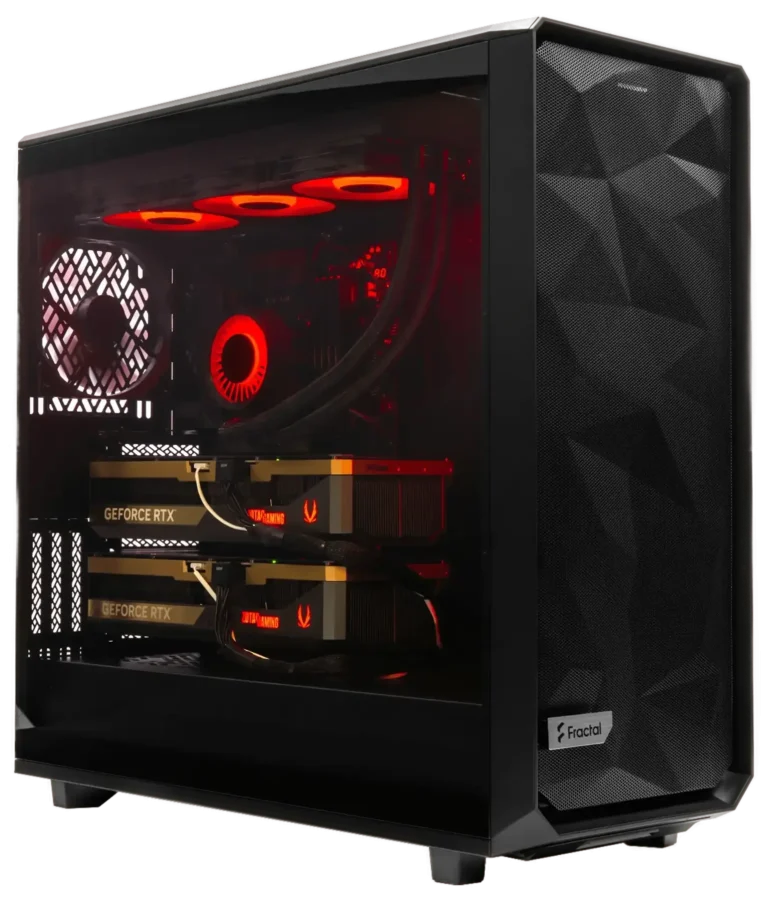
Best AI Workstation Build
Meshify 2XL Dual Graphics Card Liquid Cooled Custom AI Workstation
The good
- Dual-GPU configuration maximizes AI inference and rendering throughput
- Fractal Meshify 2XL chassis provides exceptional thermal headroom for sustained workloads
- ArsenalPC’s 27-year supplier network is critical for sourcing dual high-end GPUs in a constrained market
The trade-offs
- Dual-GPU builds draw from the same constrained HBM/GDDR pool, lead times may be longer
- High-capacity DDR5 requirements mean memory costs are a significant line item at current rates
Should You Wait or Build Now?
The most common question we hear in the shop right now is some version of: “Should I just wait for prices to drop?” Based on everything we see in our sourcing pipeline, the honest answer is that waiting carries real risk. Analysts do not expect meaningful memory price relief before late 2027. SK Hynix has warned the shortage could persist past 2027 in some scenarios, because new fab capacity takes years to permit, fund, and construct. Global memory supply is projected to meet only around 60% of demand by 2027, a directional figure that points to a prolonged gap, not a temporary dip.
The memory shortage impact on AI workstation builds in 2026 is identical to what gaming builders face. Anyone specifying high-capacity DDR5, whether for a creative workstation, a local AI inference rig, or a high-end gaming system, is drawing from the same constrained pool. There is no separate “AI buyer” market that absorbs the pressure while gaming builders wait it out comfortably.
A Simple Framework for the Wait-vs-Build Decision
Not every situation calls for the same answer. Use these conditions to orient your decision:
| Your Current Situation | Recommended Move | Result |
|---|---|---|
| Current system is failing, throttling work, or cannot run required software | Build now, do not wait for a market bottom that may not arrive until 2028 or later | Build Now Waiting is a real productivity cost measured in years, not months. |
| Need 64 GB or more of DDR5 | Build now, high-capacity kits are where the shortage bites hardest | Build Now Prices at this tier are more likely to rise than fall in the near term. |
| Current system is functional and workload fits within 16 GB or 32 GB | Consider waiting 6 to 12 months, entry-tier memory pricing is less volatile | Consider Waiting Lower risk at this capacity level; a short delay carries less cost. |
| Target platform is mid-cycle with a new CPU generation expected within two quarters | Consider waiting, platform transitions can shift the value calculus even when memory prices hold firm | Consider Waiting A new platform launch may reset the cost-per-performance equation. |
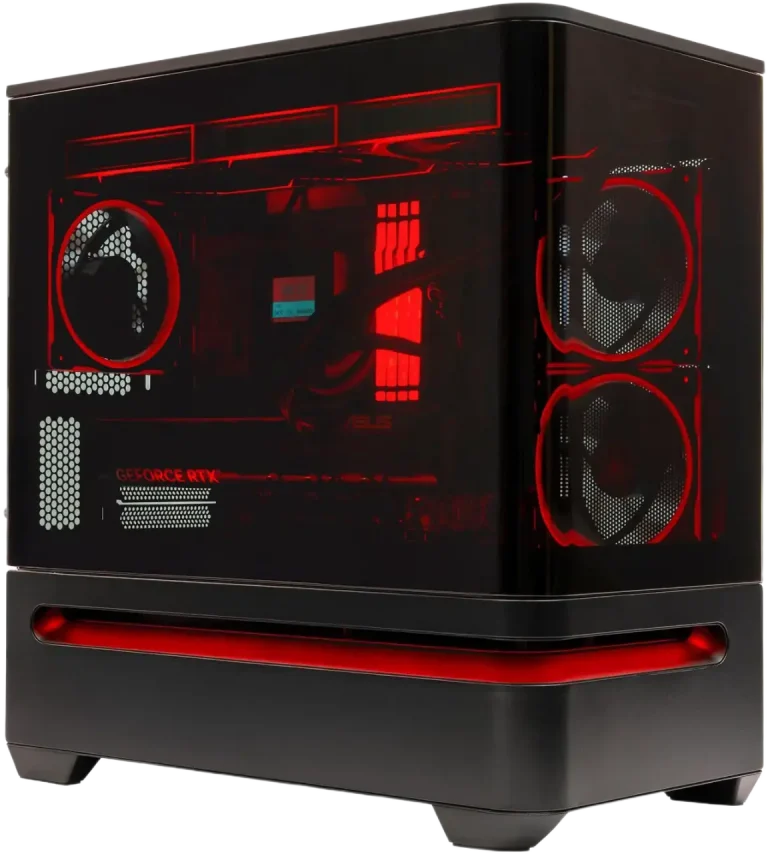
Custom Gaming PCs
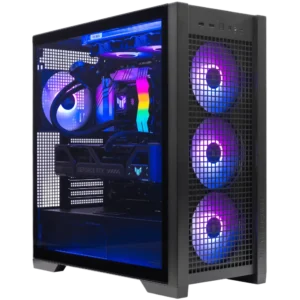
ASUS Prime AP202 Custom Gaming PC
Custom Configured
Custom Gaming PCs
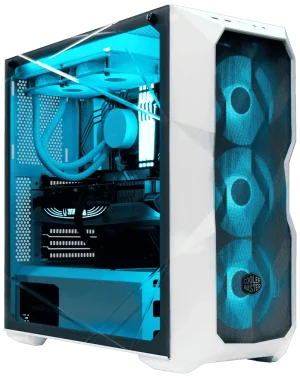
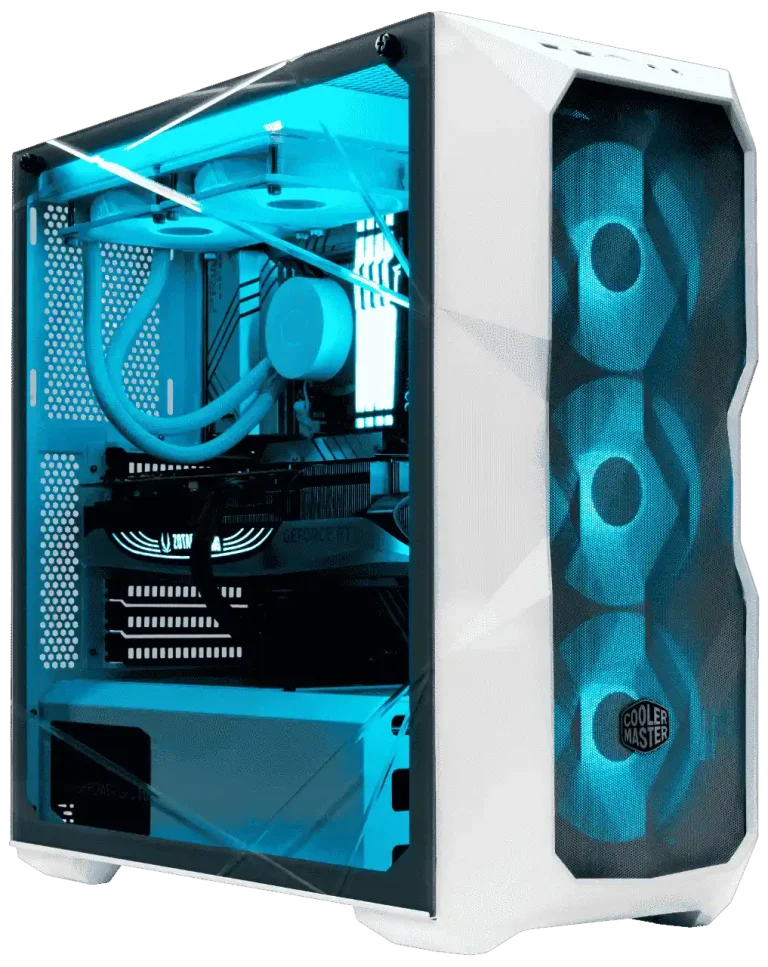
MasterBox TD500 Mesh White Custom Gaming PC
Custom Configured
Custom Gaming PCs
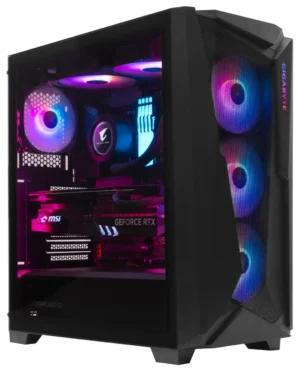
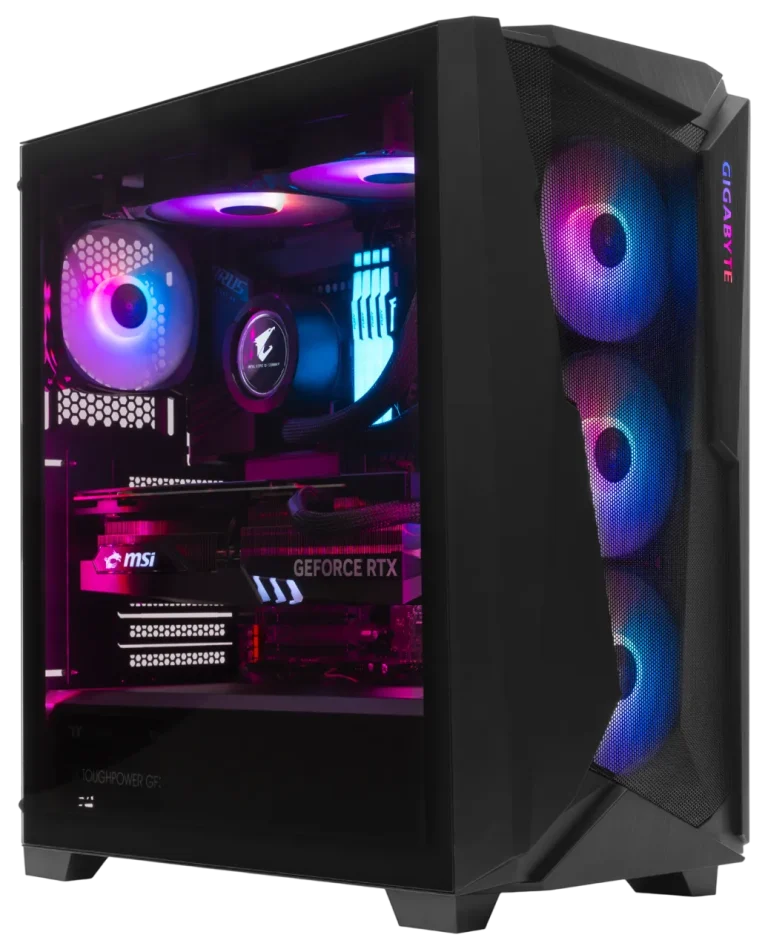
Gigabyte C301 Glass Custom Gaming PC
Custom Configured
Custom Gaming PCs
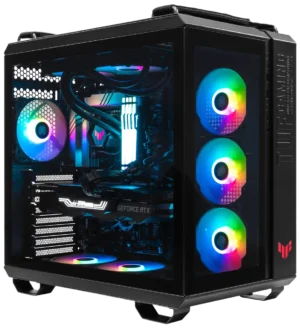
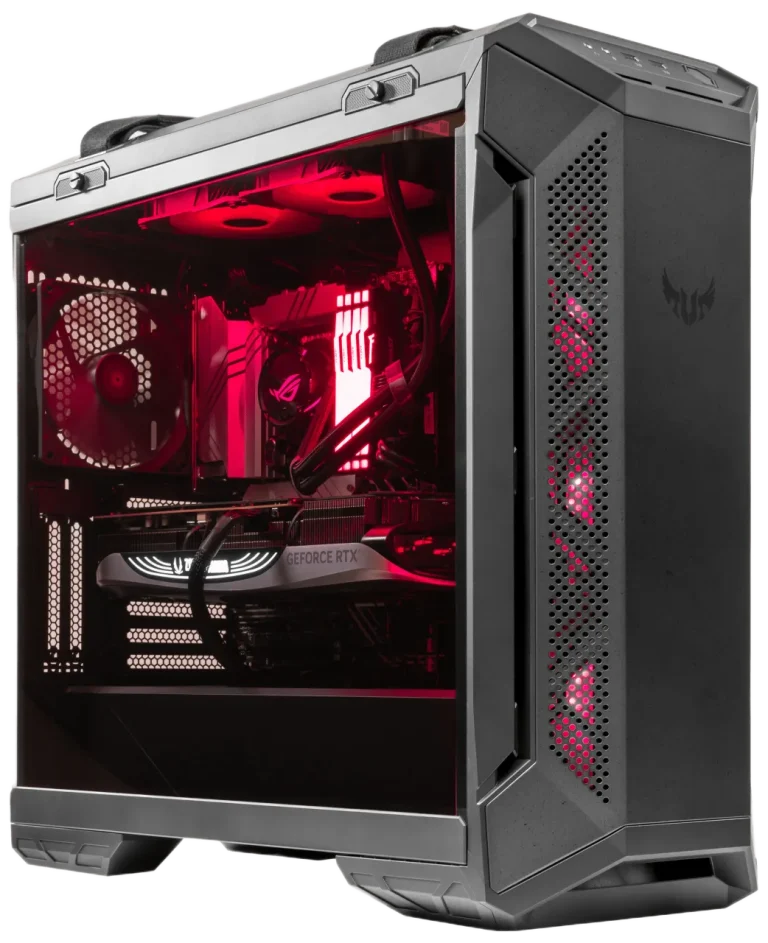
TUF Gaming GT501 Custom Gaming PC
Custom Configured
Custom Gaming PCs
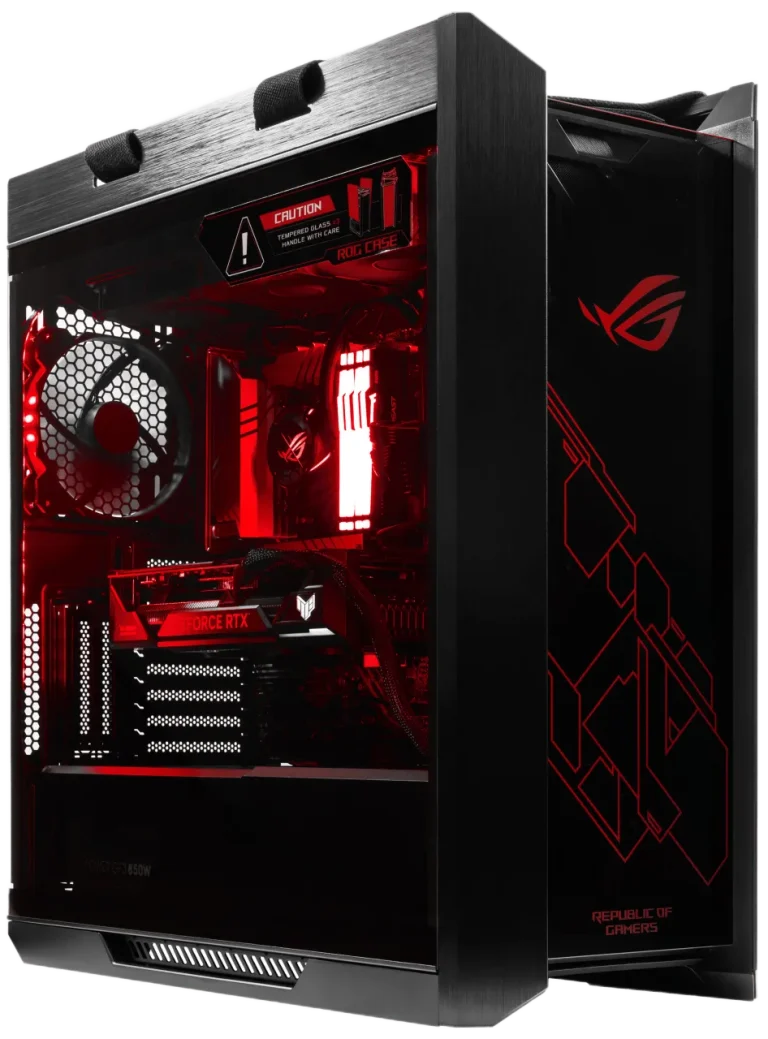
ROG Strix Helios GX601 Custom Gaming PC
Custom Configured
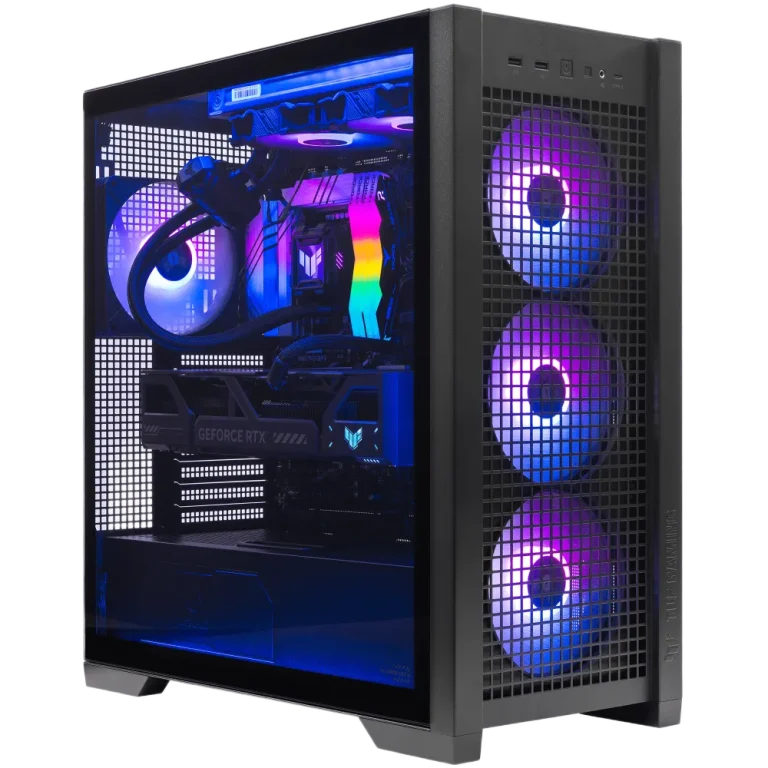
Custom Gaming PCs
TUF Gaming GT302 ARGB Custom Gaming PC
Custom Configured
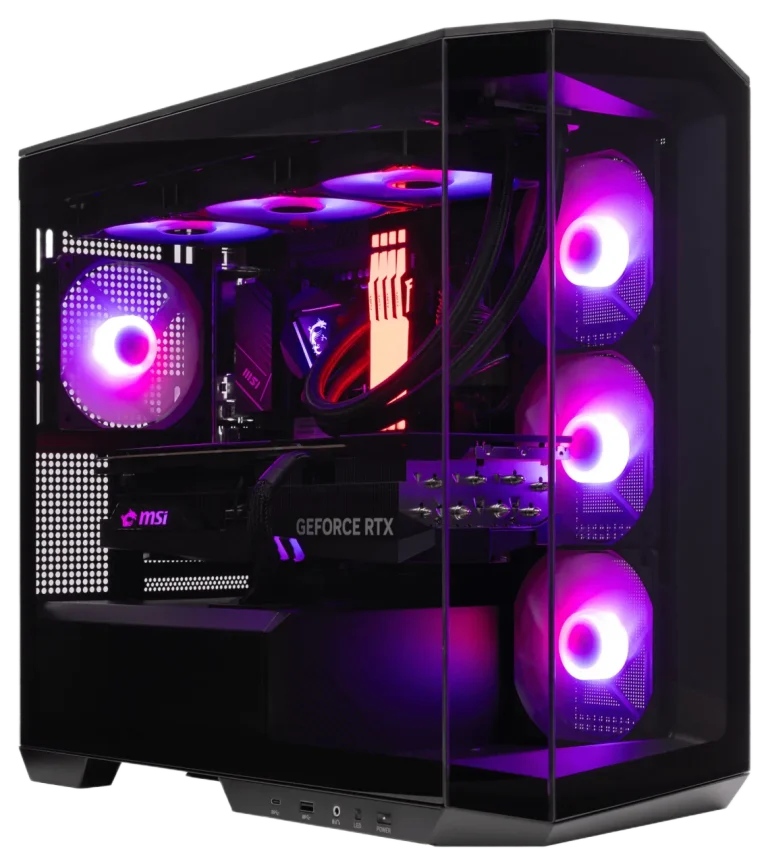
Custom Gaming PCs
Mag Pano M100R PZ Custom Gaming PC
Custom Configured
Decision
For most builders with a genuine performance need, act now rather than waiting for a market bottom that analysts place in 2028 or later.
The supply data tilts toward acting for anyone whose current system is throttling their work or who needs 64 GB or more of DDR5. A trusted builder with established supplier relationships can lock in allocation and configure around current stock realities in ways that a self-sourced build cannot. Waiting for a bottom means absorbing the cost of an underperforming system for two or more years, and that is a real cost, not a theoretical one.
Frequently Asked Questions
The core driver is a deliberate strategic decision by Samsung, SK Hynix, and Micron to shift cleanroom capacity away from conventional DDR5 toward High-Bandwidth Memory for AI data centers. Because a single HBM wafer displaces two or more conventional DRAM wafers in production, total memory bit supply shrinks even when overall wafer output holds steady. Data centers now absorb an estimated 70% of global memory chip production in 2026, up from roughly 30 to 35% just a year prior, leaving consumer PC builders competing for a dramatically smaller slice of output.
Analysts at major research firms do not expect meaningful price relief before late 2027, and SK Hynix has warned the shortage could persist past 2027 in some scenarios. Building a new memory fabrication facility takes two to three years and costs $15 to $20 billion, and no significant new capacity from Samsung, SK Hynix, or Micron is expected before 2028. Global memory supply is projected to meet only around 60% of demand by 2027, which points to a prolonged gap rather than a temporary dip that self-corrects quickly.
The increase has been severe at every capacity tier. A 64GB DDR5-5600 kit averaged $191 in August 2025 and reached approximately $1,118 by August 2026, a 485% increase in twelve months. At the 32GB tier, a DDR5-6000 kit that cost $110 to $140 in Q3 2025 was priced at roughly $392 by August 2026. The acceleration was sharpest in Q4 2025, when the spot price of a single 16Gb DDR5 chip jumped nearly 298% in one quarter, from about $6.84 in September to roughly $27.20 by December.
Yes, because graphics cards rely on GDDR memory that draws from the same constrained production ecosystem. GPU memory contracts negotiated at fixed prices largely expired at the end of 2025, exposing card makers to spot market rates just as those rates went vertical. AMD responded by adding $10 to Radeon RX 9000 distributor pricing for every 8GB of VRAM on a card, effective December 2025, with an additional hike in January 2026. DRAM costs surged 172% year-over-year as of late 2025 per TechPowerUp, and that increase fed directly into GPU pricing across the board.
In some specific cases, yes, but the window is narrowing. Large OEMs that locked in bulk component contracts before the memory price spike are sitting on pre-bought inventory that lets them match or undercut a fresh DIY parts bill on certain models. However, Lenovo, Dell, HP, Acer, and ASUS have already warned clients of 15 to 20% price hikes on systems shipping in the second half of 2026, meaning today’s OEM pricing is not the new normal. Pre-buy buffers will exhaust, and when they do, the OEM price advantage disappears with them.
Motherboard sales are collapsing because soaring memory and CPU prices have suppressed consumer demand for complete PC builds, which in turn reduces the number of motherboards buyers need. The four major manufacturers collectively project a 28% contraction in shipments for 2026 versus 2025. Compounding this, manufacturers like ASUS are pivoting production attention toward AI server boards, where revenue grew more than 100% year-over-year in 2025. Less manufacturing focus on consumer boards means thinner product line depth and inconsistent retail availability, particularly at the mid-range price tier.
Section 301 tariffs on Chinese-made electronics including motherboards, PC cases, and GPUs were delayed again, this time to November 10, 2026, which provides a temporary reprieve from that specific cost pressure. However, the tariff delay does not offset the memory-driven price increases already embedded in component pricing. The DRAM market is the dominant cost driver in 2026, not the tariff schedule. Builders should treat the tariff delay as a narrow buffer rather than a meaningful counterweight to the broader component inflation environment.
The impact is identical regardless of use case, because all high-capacity DDR5 draws from the same constrained supply pool. A local AI inference rig, a video editing workstation, and a high-end gaming system all compete for the same memory allocations. Gartner forecasts a combined 130% surge in DRAM and SSD prices by end of 2026, which it expects to lift average PC prices by 17% across all categories. Workstation builders specifying 64GB or more of DDR5 face the sharpest price exposure, since high-capacity kits are where the shortage bites hardest and where prices have risen most steeply.
Need Help Choosing the Right PC?
ArsenalPC is based in Willoughby, Ohio, with 27+ years of custom PC building experience. In a component market this unpredictable, our supplier relationships and procurement depth mean we can source, configure, and support a system that a self-sourced build simply cannot match. Every build is tested before it ships, and our team is available to walk you through the right configuration for your workload and budget.
- Phone: 866-277-3627 (Toll-Free) | 440-602-7090 (Local)
- Email: Contact Form
- Visit: 4711 E355 St, Willoughby, OH 44094
- Hours: Mon, Fri 10AM-6PM, Sat 11AM-3PM